Anton Hur
Anton Hur arrived at Korean literature through a roundabout path—fluent in the language but initially skeptical of his ability to translate it. He had grown up between worlds, bilingual but not entirely at home in either, until he realized that translation might be the only honest place to stand. His breakthrough came not from pursuing the job but from being asked, on short notice, to translate a difficult contemporary work. He said yes before he could talk himself out of it. That hesitation—that awareness of the gap between languages—became the very thing that makes his translations so precise.
What distinguishes Hur's work is a refusal to smooth over Korean's particular textures. He lets the language's rhythms remain slightly foreign on the page, which paradoxically makes it more alive. Reading his translation of Hwang Sok-yong's At Dusk, a slim novel about an elderly man's final days, you feel the weight of each ordinary gesture—the way Korean syntax can hold grief and tenderness in the same sentence. With Kyung-Sook Shin's I Went to See My Father, Hur captures the almost Beckettian minimalism of a son's obsessive return to his dead father's grave, preserving the repetition that might have felt tedious in less careful hands but instead becomes meditative, even necessary.
Hur has become the primary translator of Hwang Sok-yong's English editions, a relationship that mirrors the deep translator-author partnerships that shape literary canons. He's also ventured into harder territory—the surreal, unsettling stories of Bora Chung, whose Red Sword (forthcoming) arrives through Hur's lens as both visceral and coolly precise. His recent translation of Seolyeon Park's A Magical Girl Retires shows his range, capturing a premise that could be whimsical in hands less attuned to its melancholy underside.
Hur's work hasn't yet received the international prizes that might cement a translator's reputation in Western publishing, but the steady stream of his publications suggests something equally important: he's become a trusted voice, the one readers turn to for contemporary Korean prose that refuses to be simplified. His translations don't explain Korean culture; they trust readers to find their own way through it.
On InkEast (32)

I Went To See My Father
2023
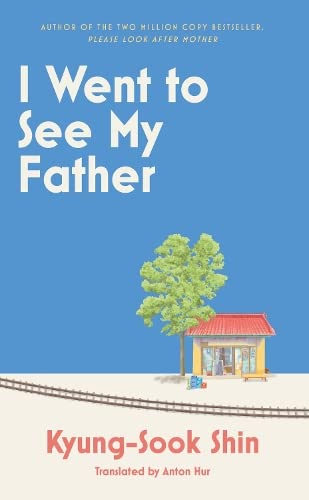
I Went to See My Father
2023
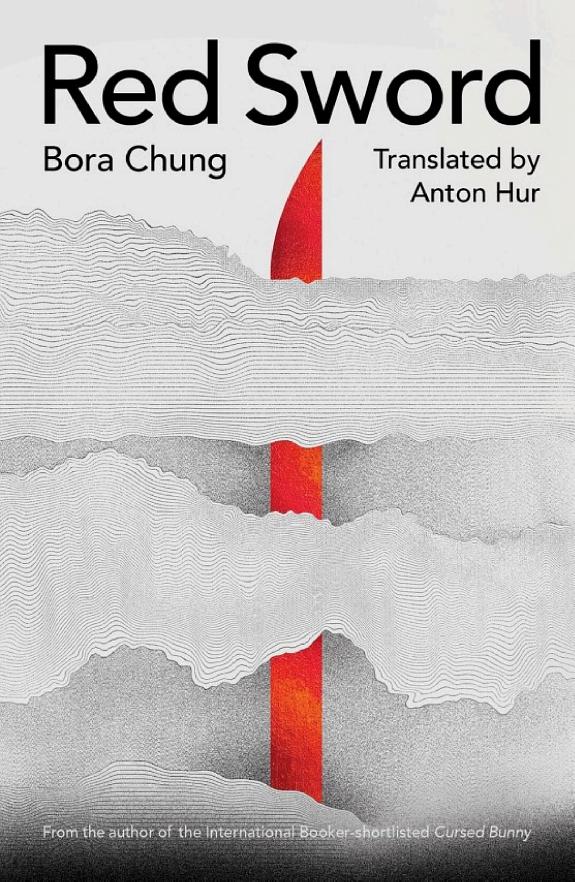
Red Sword
2025
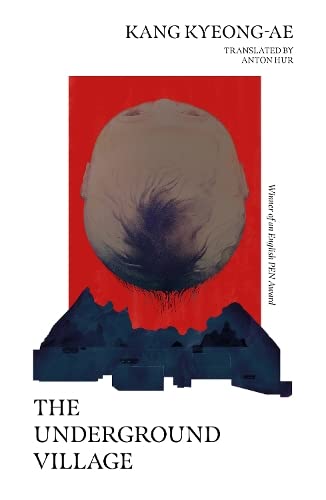
The Underground Village
2018
A Magical Girl Retires
2024
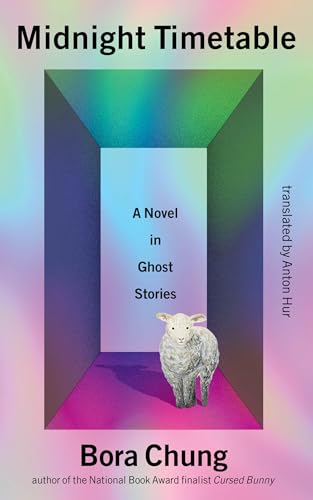
Midnight Timetable: A Novel in Ghost Stories
2025
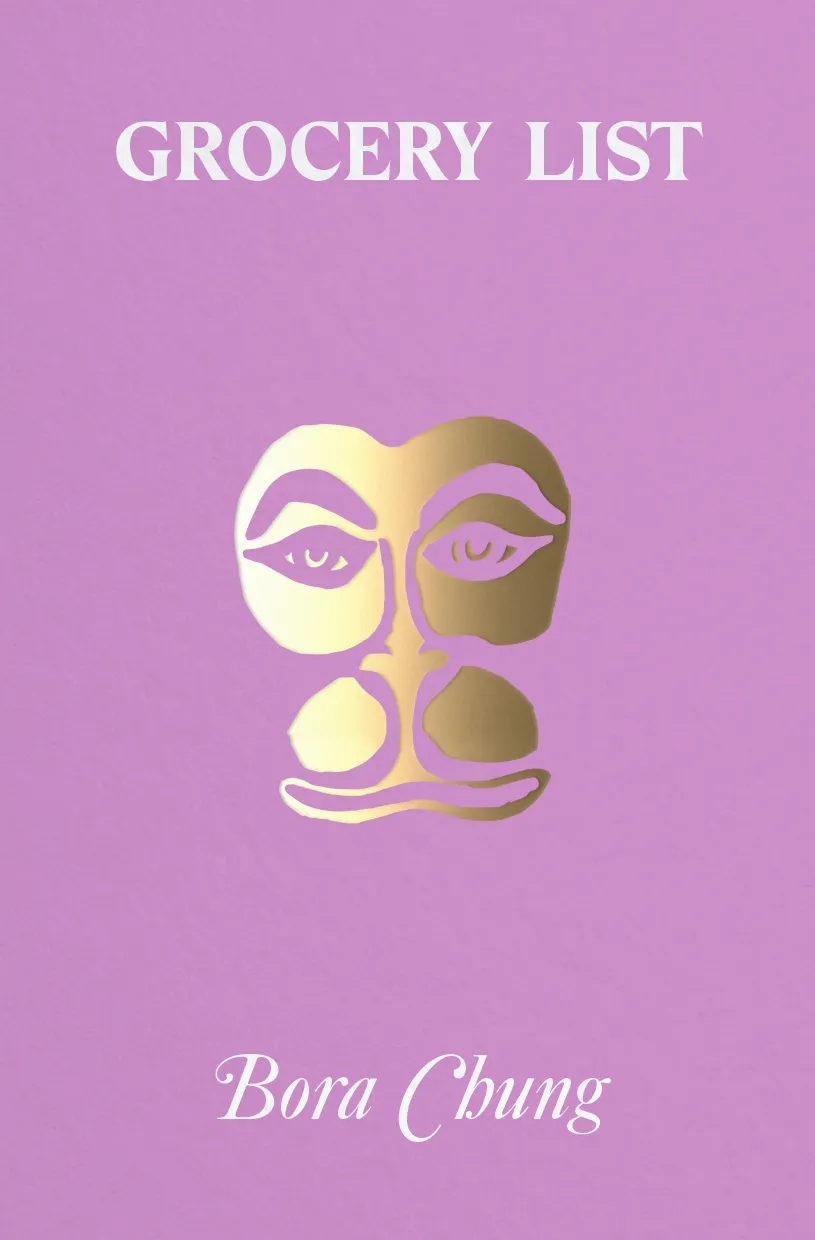
Grocery List
2024
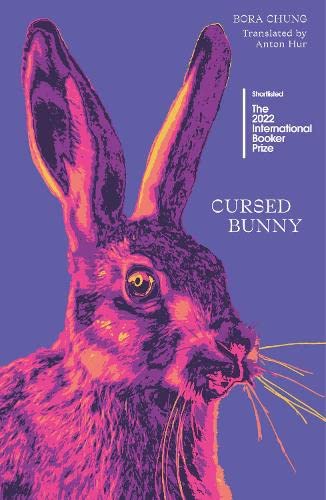
Cursed Bunny
2021
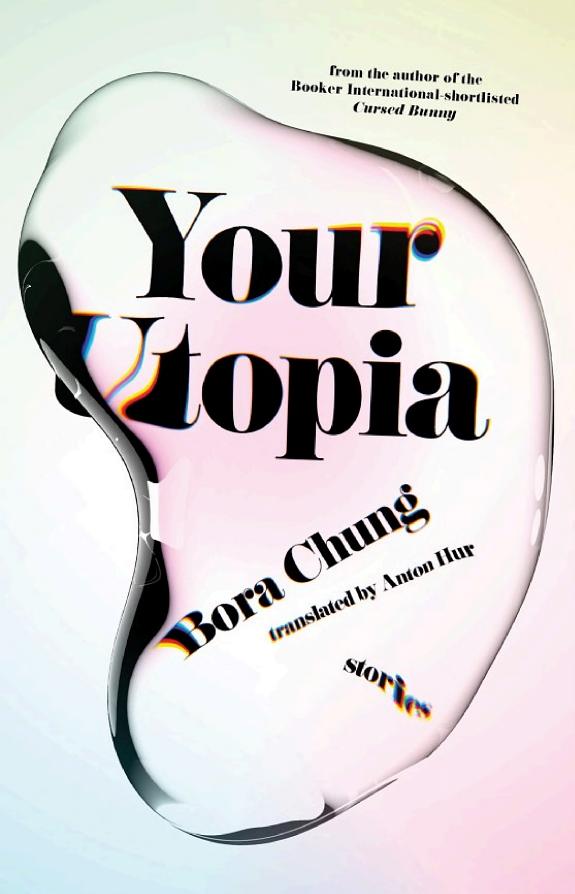
Your Utopia
2024
The Head
2023
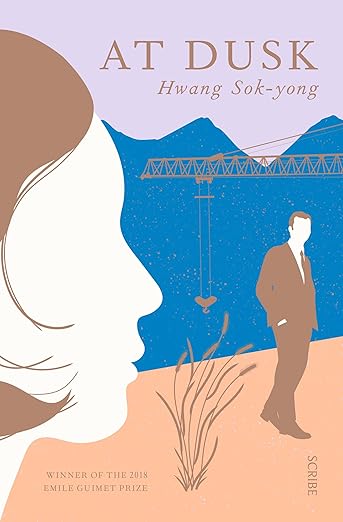
At Dusk
2018
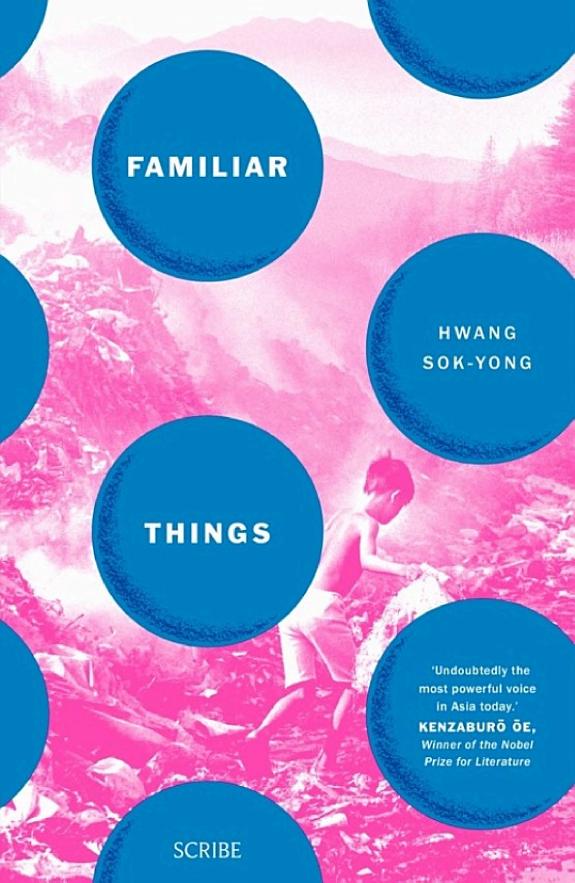
Familiar Things
2017
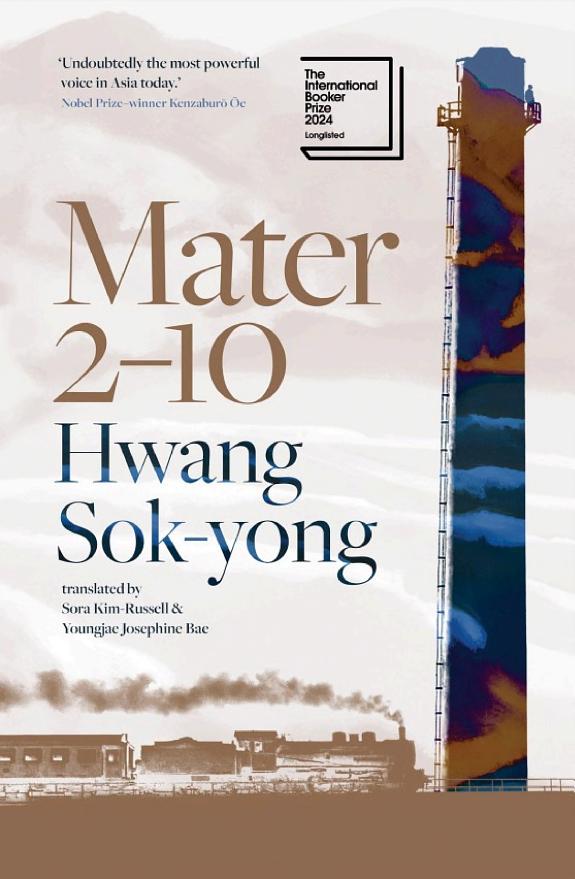
Mater 2–10
2023
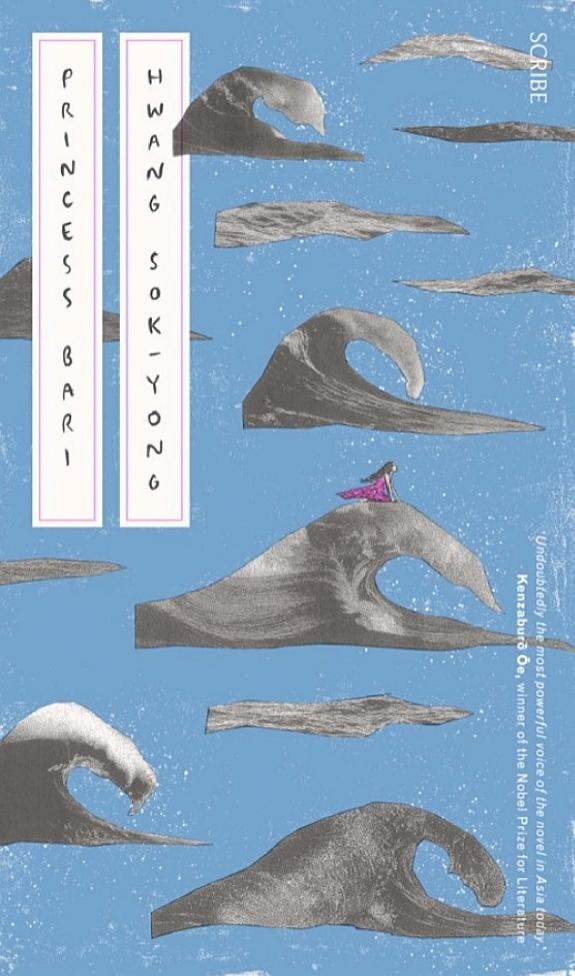
Princess Bari
2015
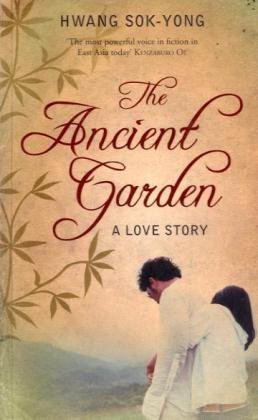
The Ancient Garden
2009
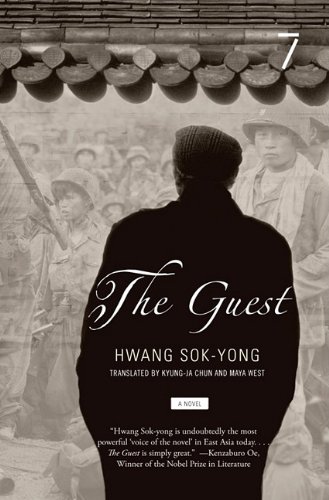
The Guest
2011
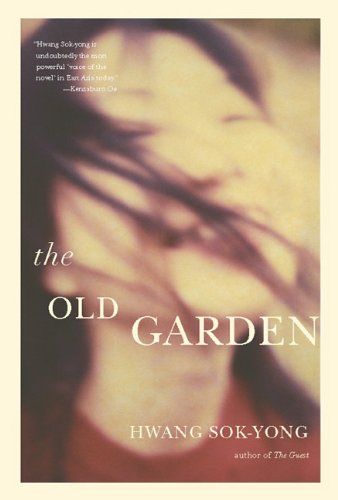
The Old Garden
2012

The Prisoner
2021
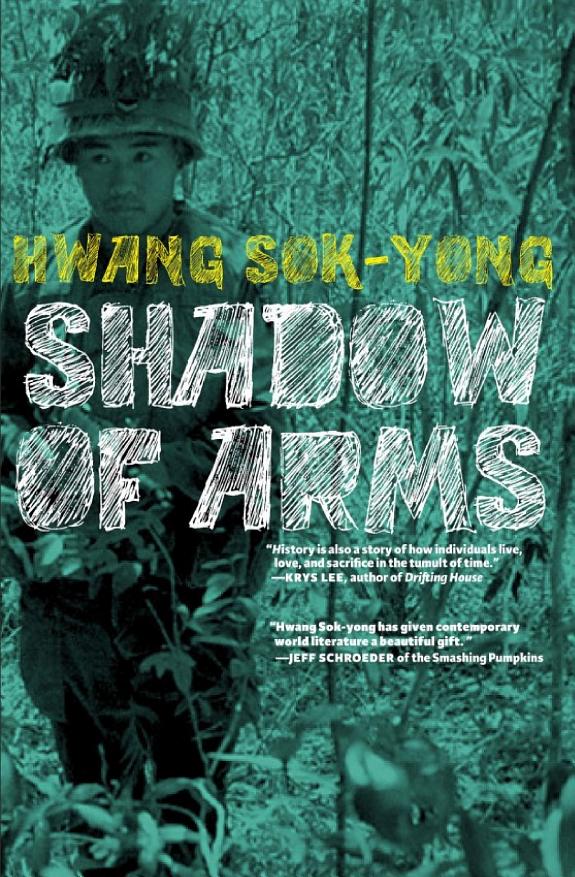
The Shadow of Arms
2014
Break Room: Neste reality show coreano, o maior desafio não é a convivência, é descobrir o impostor
2026
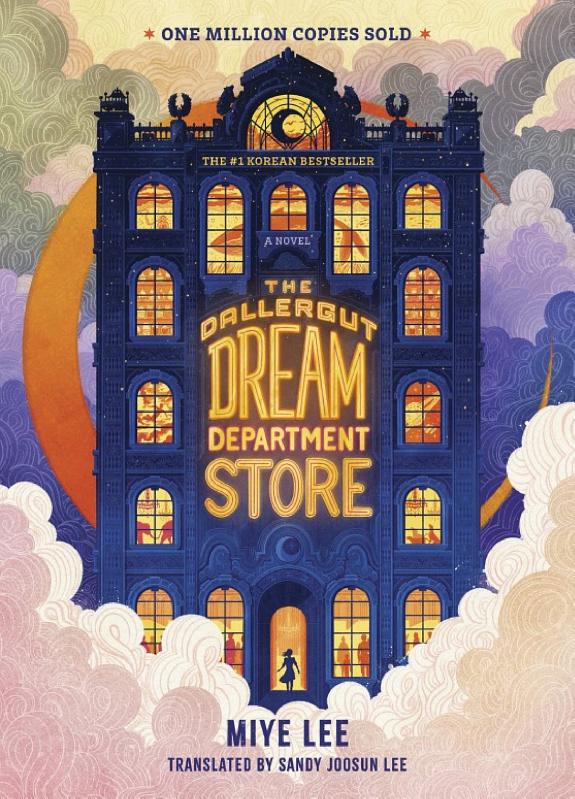
The Dallergut Dream Department Store
2024
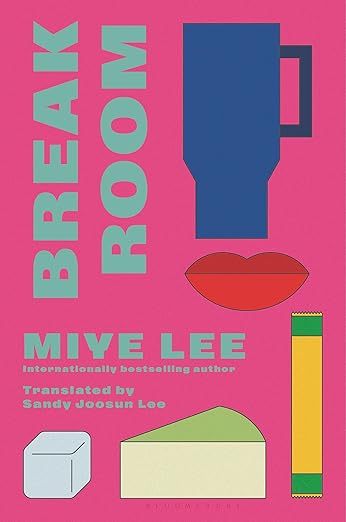
Break Room
2025
The Dallergut Dream-Making District: A Novel
2025
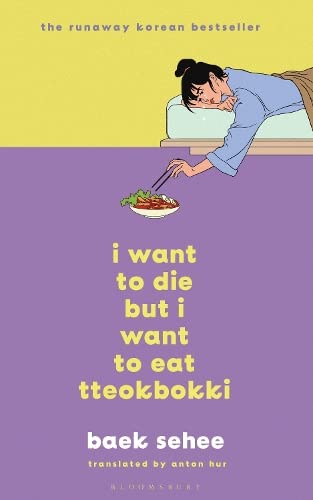
I Want to Die but I Want to Eat Tteokbokki
2022
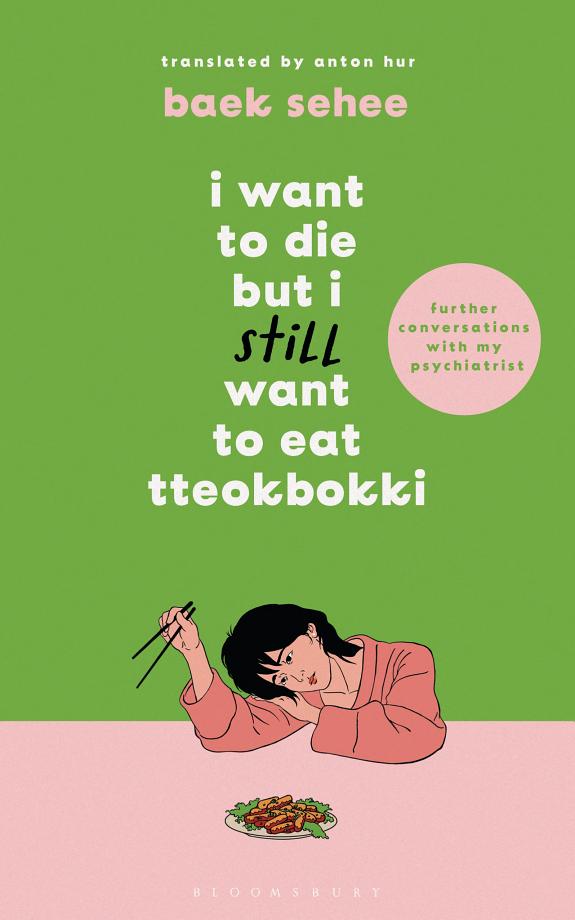
I Want to Die but I Still Want to Eat Tteokbokki
2024
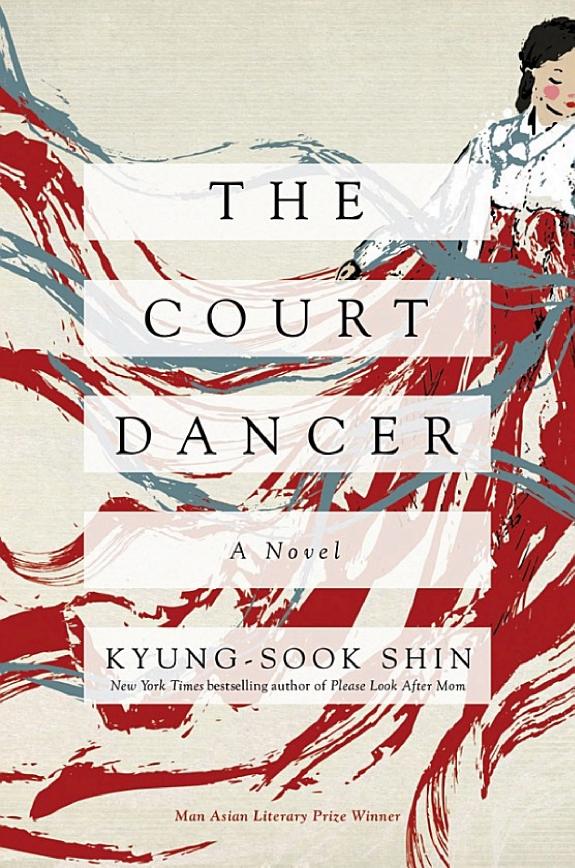
The Court Dancer
2018

Violets
2022
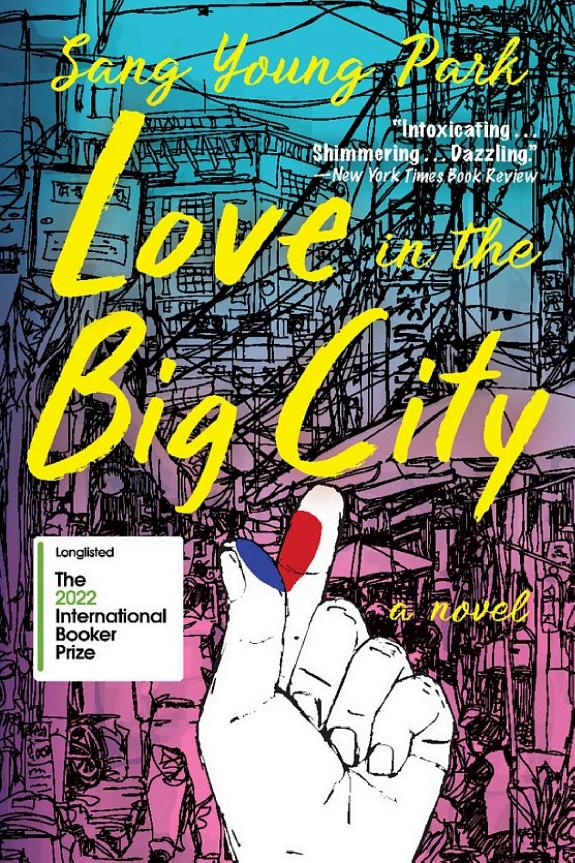
Love in the big city
2021
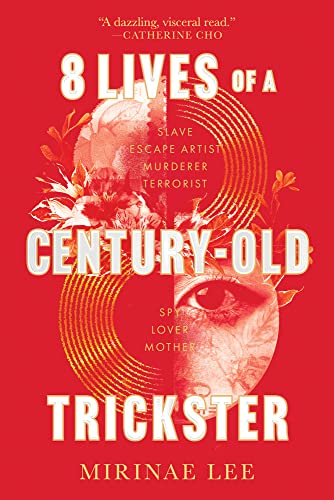
8 Lives of a Century-Old Trickster
2023
Capitalists Must Starve
2025
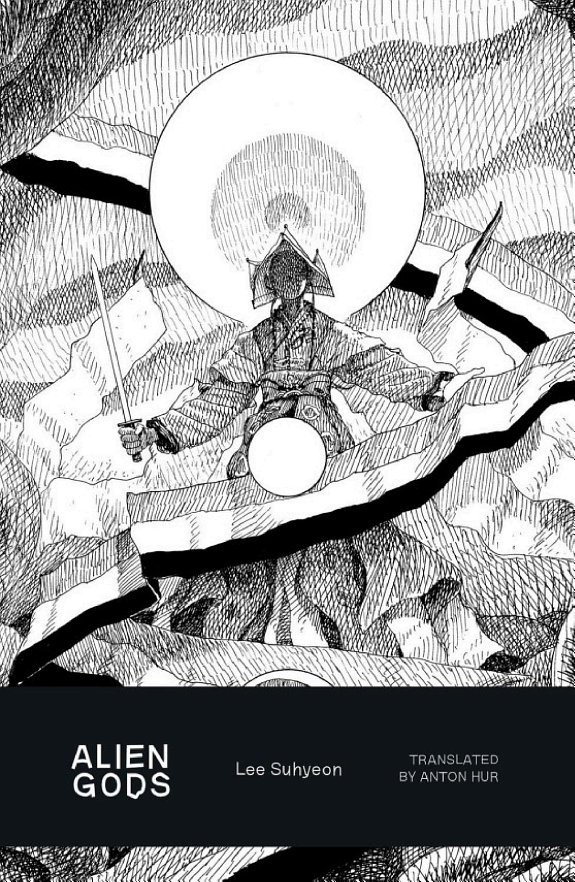
Alien Gods
2025
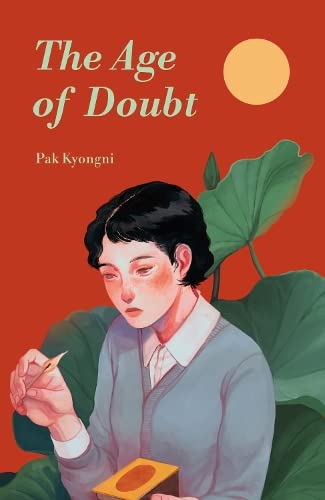
The Age of Doubt
2022