Howard Goldblatt
In the 1990s, when Mo Yan's work was still largely unknown in English-speaking literary circles, Howard Goldblatt made a decision that would reshape how Western readers encountered contemporary Chinese fiction. Rather than wait for market demand, he began translating Mo Yan's densest, most formally demanding novels—books that seemed almost deliberately resistant to English. The result was The Garlic Ballads, a sprawling, polyphonic narrative about rural uprising and state violence that announced itself immediately as something different from the political allegories and exoticism Western audiences had come to expect from Chinese literature.
Goldblatt's approach has always been interventionist. He doesn't sand down the rough edges of his source texts; instead, he finds English equivalents for their particular friction. In The Garlic Ballads, readers encounter a prose style that shifts registers constantly—from bureaucratic jargon to folk idiom to hallucinatory intensity—mirroring Mo Yan's own refusal of narrative comfort. This is a translation that demands something from its reader, that insists the English language accommodate the strangeness of the original rather than the other way around. It's a philosophy visible again in Sandalwood Death, where Goldblatt renders Mo Yan's historical novel about the final years of the Qing Dynasty with unflinching attention to bodily horror and linguistic excess.
Less discussed but equally significant is his translation of Chu Tien-hsin's The Old Capital, a meditation on Taipei that captures the city's layered temporalities—Japanese colonial past, Nationalist present, uncertain future—through fractured narrative and intimate domestic detail. Here Goldblatt proves his range, bringing the same scrupulous precision to Taiwanese modernism that he brings to Mo Yan's maximalism.
What distinguishes Goldblatt's body of work is his refusal of the translator's familiar compromise: the choice between fidelity and readability. Instead, he operates from the conviction that readability itself is a choice—that an "easy" read might mean an impoverished one. His translations ask English to become stranger, more capacious, more willing to hold contradiction. When Mo Yan won the Nobel Prize in 2012, the English-language editions that circulated globally bore Goldblatt's fingerprints. It was a vindication not just of Mo Yan's ambition, but of a translator's conviction that difficulty, properly rendered, becomes its own form of clarity.
On InkEast (24)
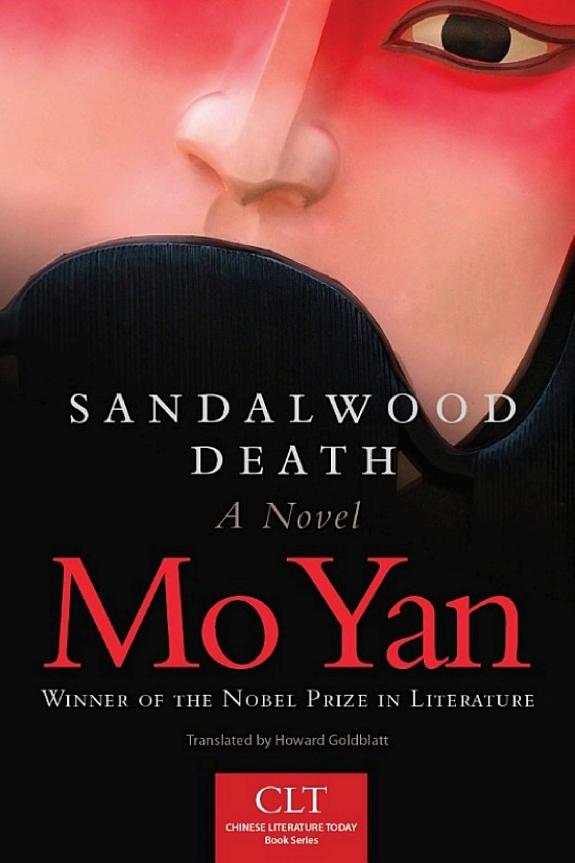
Sandalwood Death
2012
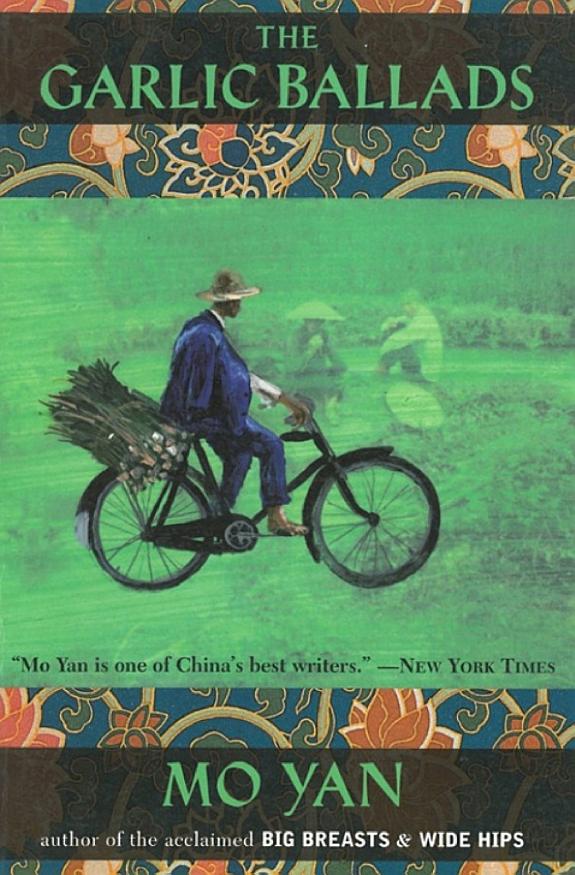
The Garlic Ballads
2012
The Old Capital: A Novel of Taipei
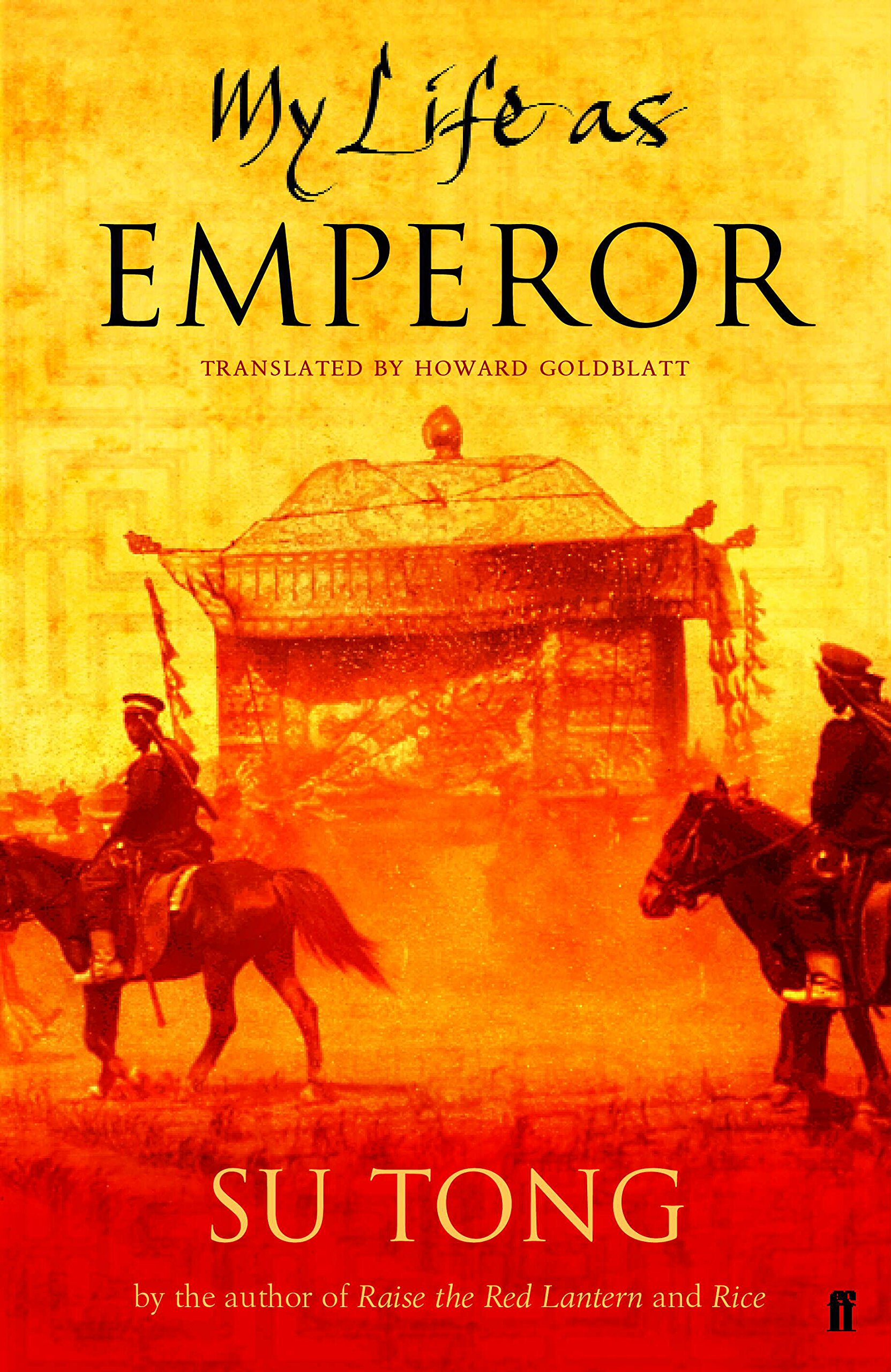
My Life as Emperor
2005

Another Life for Women and Three Lamps: Novellas
2016

Raise the Red Lantern: Three Novellas
2004

Rice
2004
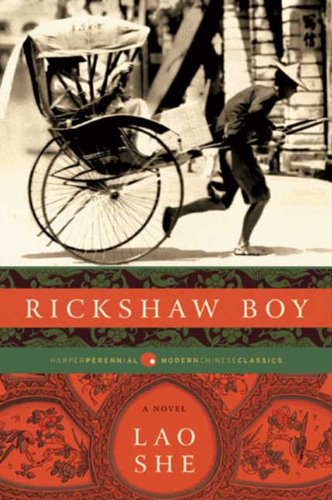
Rickshaw Boy
2010

Shifu, You'll Do Anything for a Laugh
2003
The Republic of Wine: China Library
2016
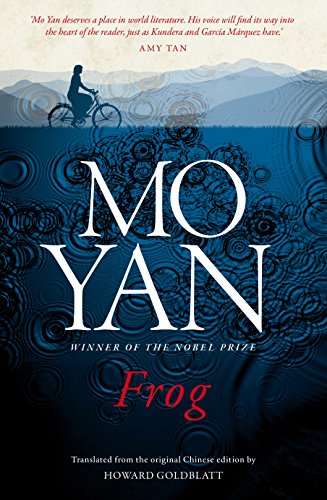
Frog
2014
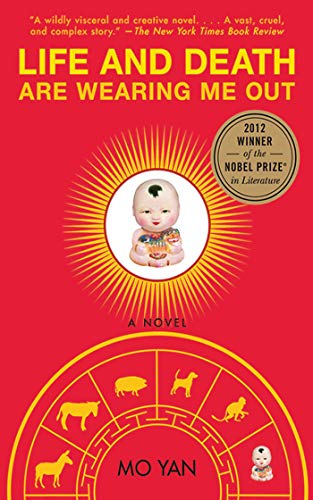
Life and Death Are Wearing Me Out
2012

Change
2010
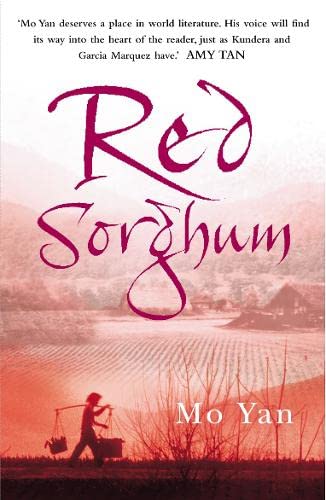
Red Sorghum
2012
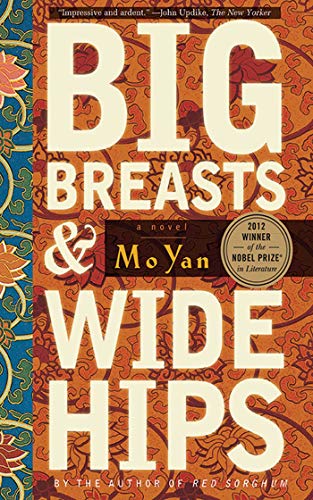
Big Breasts and Wide Hips
2012

The Republic of Wine
2012

The Flowers of War
2013
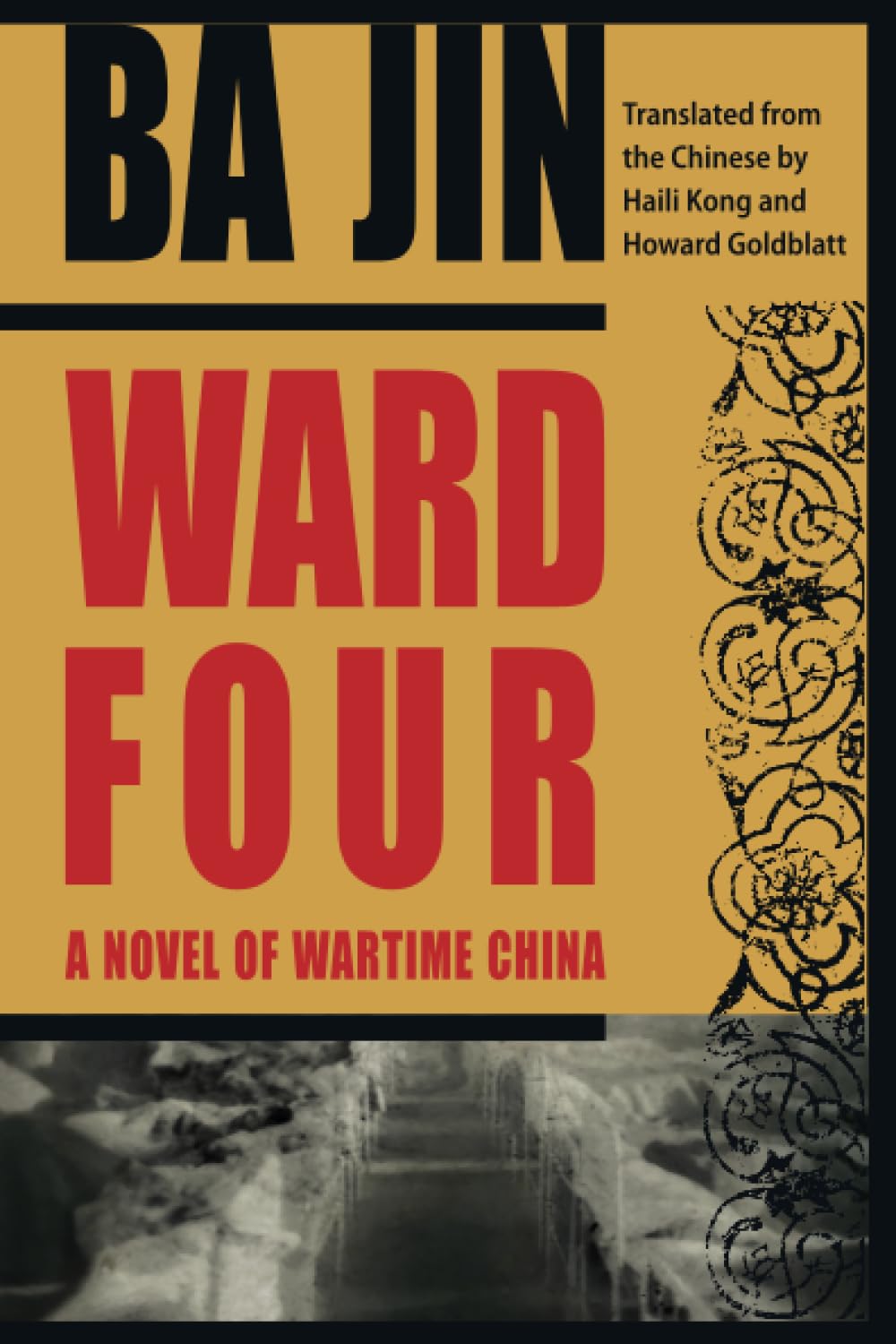
Ward Four: A Novel of Wartime China
1999
Crystal Boys
1990

Rose, Rose, I Love You
1998

Notes of a Desolate Man
1999
The Butcher's Wife
1990
Raise the Bottles
2021

The taste of apples
2001