
1
Secret Rendezvous
by Kobo Abe
A man chases his wife through an endless underground hospital — Abe's bureaucratic nightmare refuses to let him (or us) forget what happens when institutions swallow people whole.
🇯🇵 Japan2020175 pages★ 3.0(1)
July 20–26, 2026
Fiction that bears witness. Political prisoners, disappeared neighbours, the quiet violence of authoritarian states. Five novels that refuse to let history be rewritten.
by Kobo Abe
A man chases his wife through an endless underground hospital — Abe's bureaucratic nightmare refuses to let him (or us) forget what happens when institutions swallow people whole.

by Makoto Shinkai, Naruki Nagakawa
A woman and her cat sit in Tokyo silence — one anxious, one impossibly present — and somehow that vigil becomes an act of profound witness. Shinkai finds transcendence in the smallest loyalties, the ones that ask nothing but show up anyway.
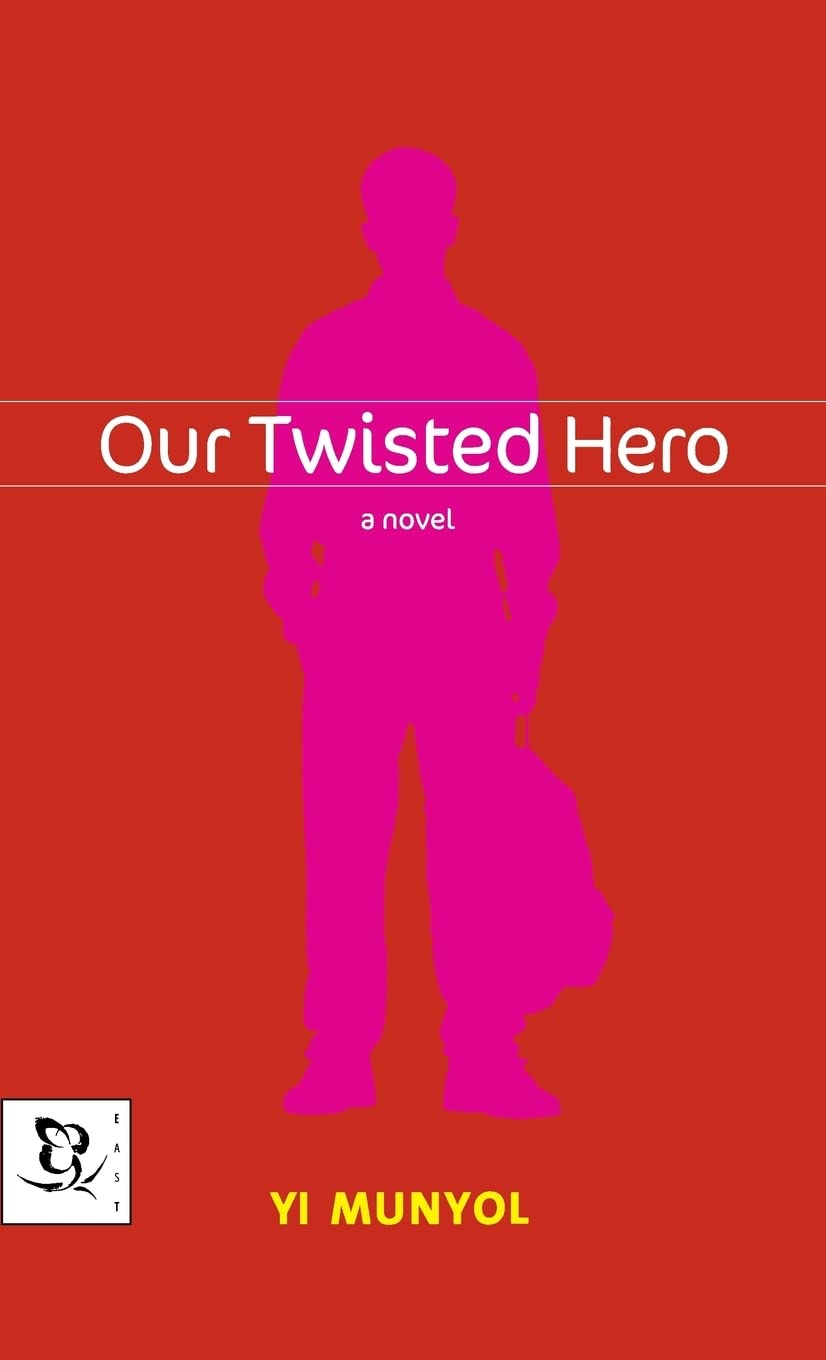
by Yi Mun-yol
A sixth-grade classroom becomes a dictatorship — Yi's parable of how authoritarianism takes root shows us one boy's quiet resistance crumbling under the weight of collective surrender.

Three women slip between waking and something deeper — a liminal space where sleep itself becomes a haunting. Yoshimoto maps grief and loneliness with the precision of someone arranging flowers in darkness, her prose so spare it seems to disappear even as it holds everything.
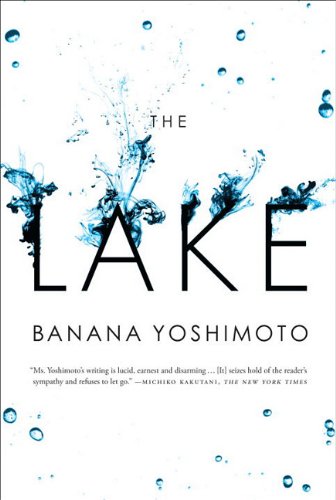
Two people circling each other across a lake, each carrying unspeakable grief — Yoshimoto maps the territory where love exists not in grand gestures but in shared meals and the permission to stay silent together.