Kobo Abe
Kobo Abe (1924–1993) is one of the most audacious and original writers modern Japan has produced — a novelist and playwright whose work belongs to the tradition of Kafka and Beckett while remaining recognisably Japanese in its specific anxieties about identity, place, and the suffocating conformities of postwar society. Born in Tokyo and raised in Manchuria, he studied medicine before turning to writing, and his scientific background gave his experiments with the absurd a peculiarly systematic quality.
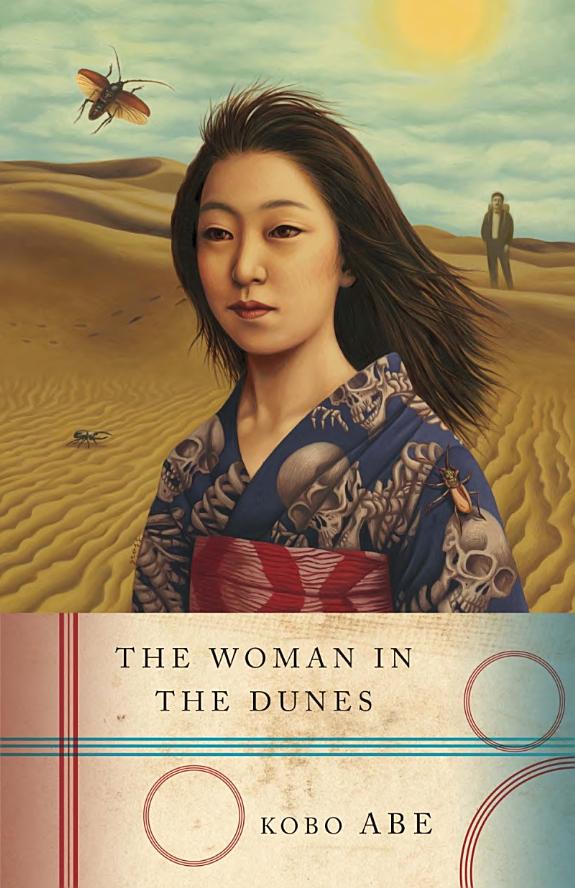
His most famous work, The Woman in the Dunes (1962) — filmed by Teshigahara — is an entomologist who misses his bus home and ends up trapped in a sand pit with a woman who lives there, unable to leave. The novel is many things simultaneously: an allegory of conformity, a story of desire and accommodation, a meditation on identity and necessity. The Face of Another and The Ruined Map are equally strange and rewarding. He was Murakami's acknowledged influence and one of the Nobel Prize's great injustices is that Abe never received it.