Natsume Soseki
Natsume Soseki (1867–1916) is the most beloved and most widely read author in Japanese literary history — the figure whose face appeared on the thousand-yen note, whose works appear in every Japanese high school curriculum, and whose fiction defined the psychological and moral concerns of Japanese literary modernity. Born Kinnosuke Natsume in Edo (Tokyo) in 1867, he studied English literature at Tokyo Imperial University and spent two miserable years in London on a government scholarship before returning to Japan and turning to fiction.
His novels — I Am a Cat, Botchan, Sanshiro, And Then, The Gate, Kokoro, Light and Darkness — chart the experience of Japanese modernity with an unparalleled depth: the loneliness of the individual in a society undergoing rapid transformation, the gap between Westernisation and Japanese inner life, and above all egoism — the crisis of the self that he saw as modernity's defining psychological wound. Kokoro (1914), his masterwork, is one of the great novels of guilt and friendship, and it remains a living text for Japanese readers. He died from a stomach ulcer in 1916 at forty-nine, leaving his final novel unfinished.
Bibliography (18)
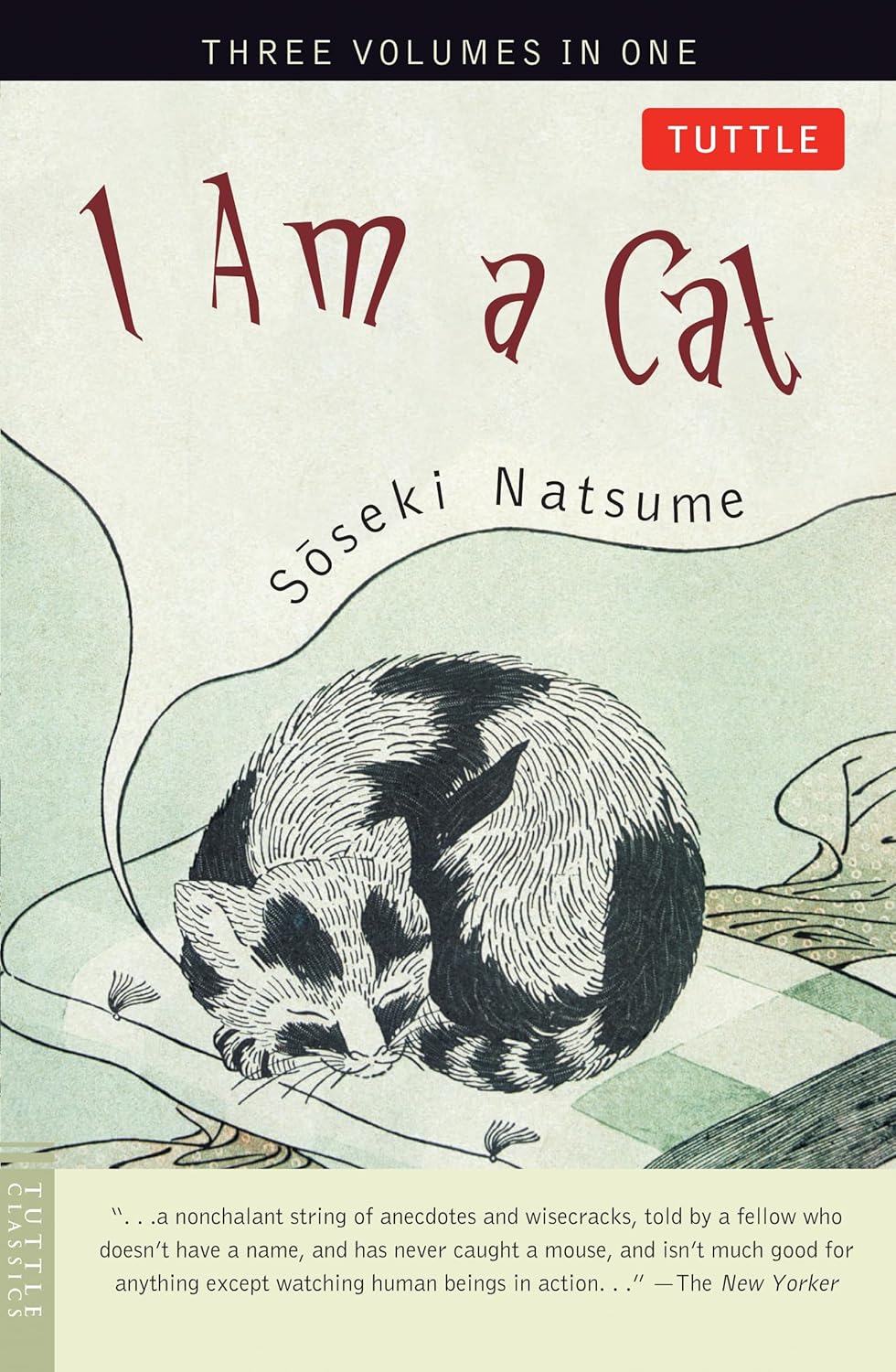
I Am a Cat
1971
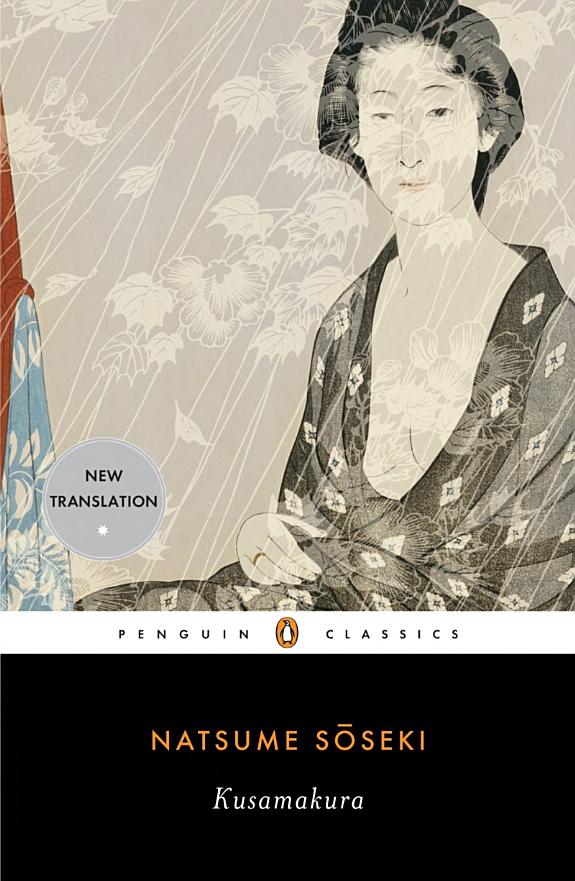
Kusamakura
2008
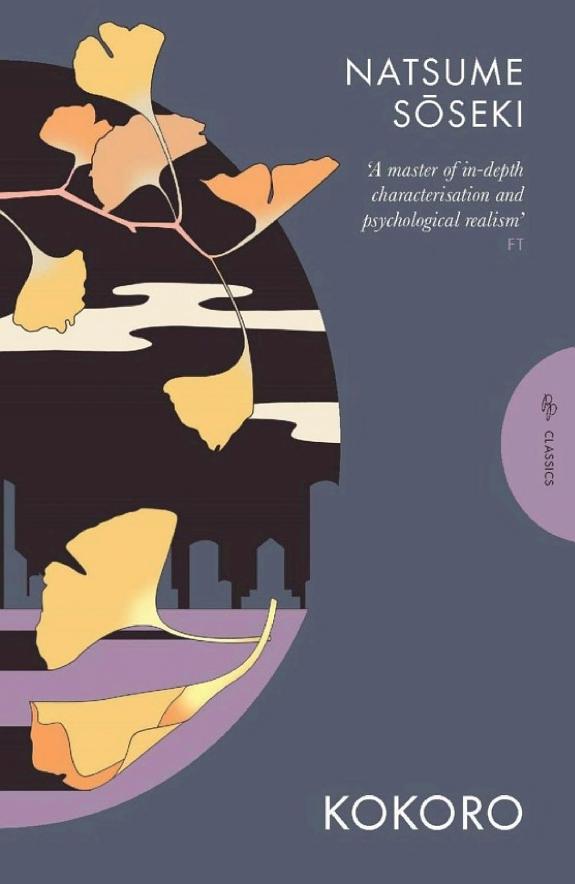
Kokoro
2024

Botchan
2007
Soseki Natsume Kokoro
2025
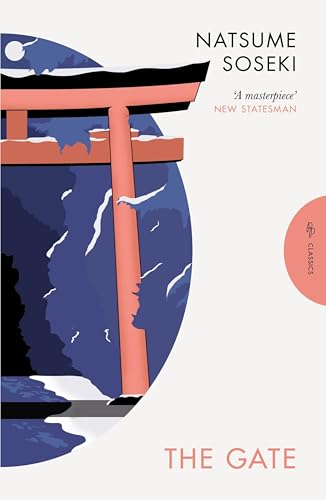
The Gate
2026
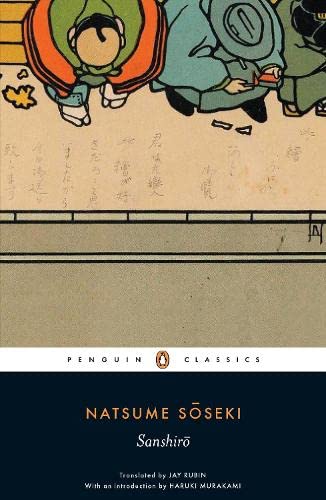
Sanshiro
2009
Natsume Soseki - Botchan
2016

To the Spring Equinox and Beyond
2005
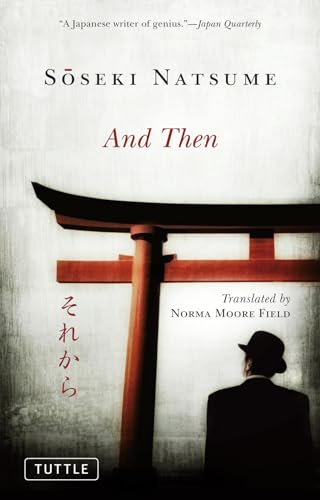
And Then
2024
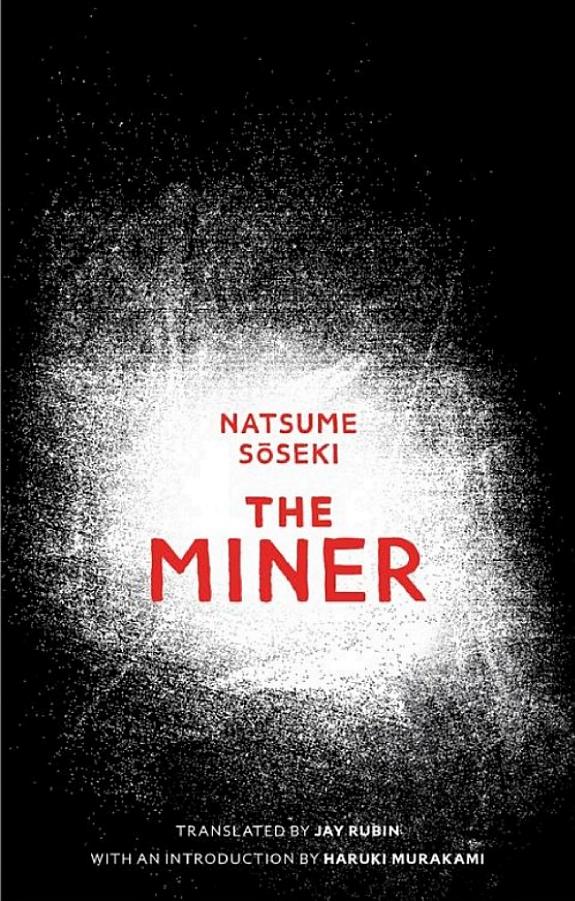
The Miner
2015
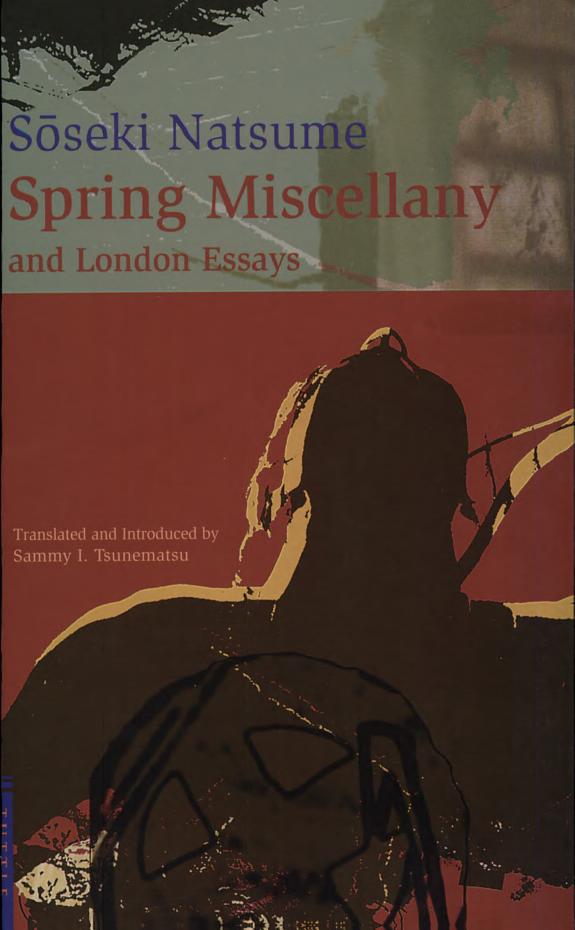
Spring Miscellany: And London Essays
2011

Light and Dark
2013
Unhuman Tour: Kusamakura
2024
Kokoro: The Manga Edition
2024
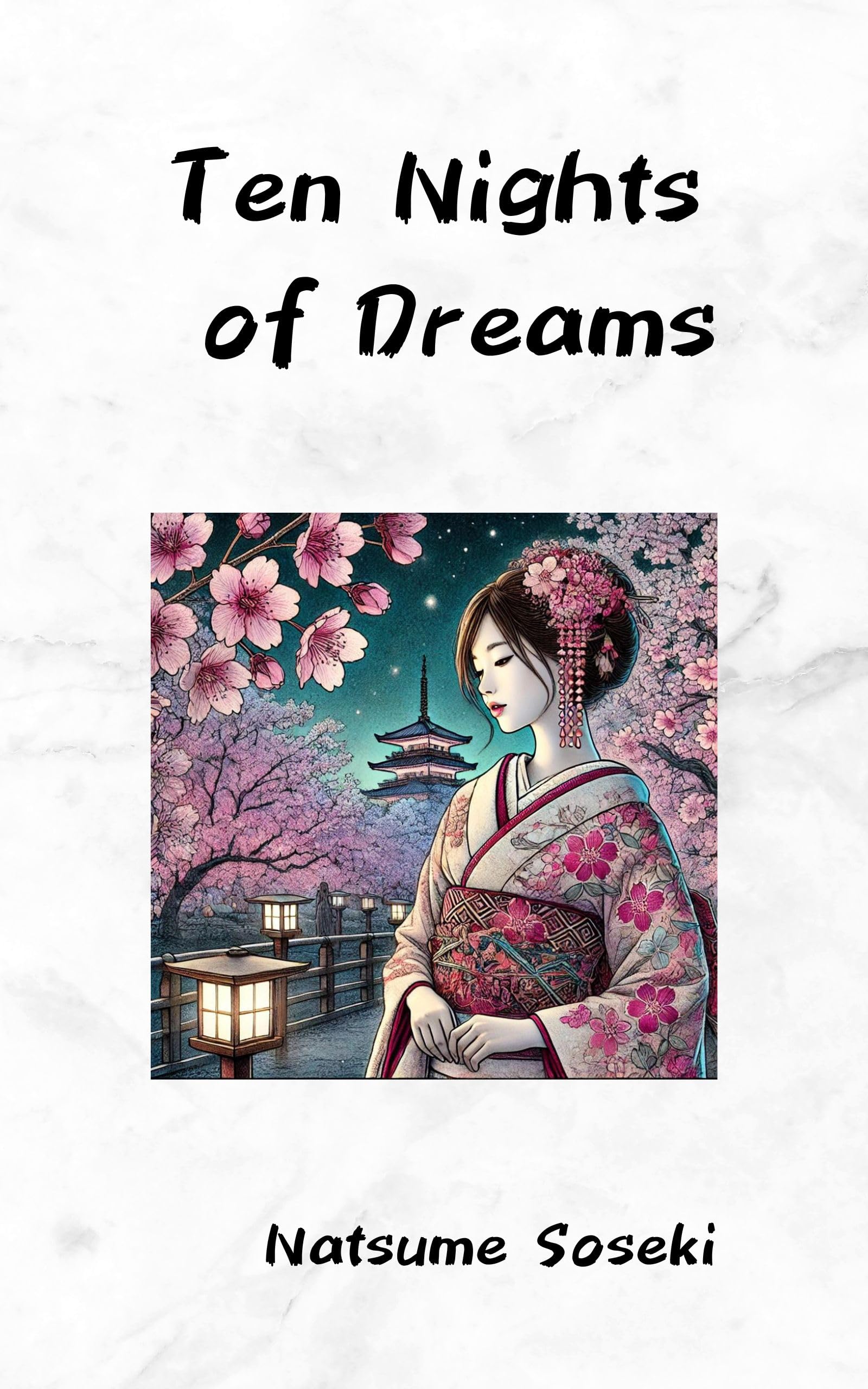
Ten Nights of Dreams
2025
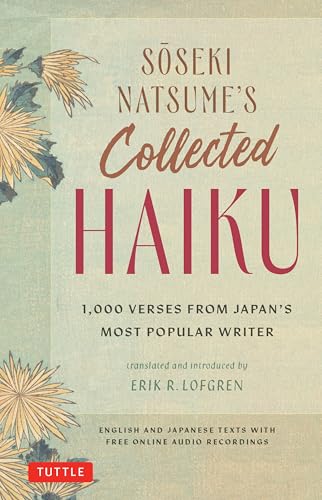
Collected Haiku
2025

Three Cornered World
1988