Yasunari Kawabata
Yasunari Kawabata was the first Japanese author to receive the Nobel Prize in Literature, awarded in 1968 for "narrative mastery, which with great sensibility expresses the essence of the Japanese mind." Born in Osaka in 1899 and orphaned at four, he grew up haunted by loss in a way that never left his fiction, and his prose — spare, imagistic, possessed of a unique melancholy beauty — is among the most distinctively Japanese in the modern tradition.
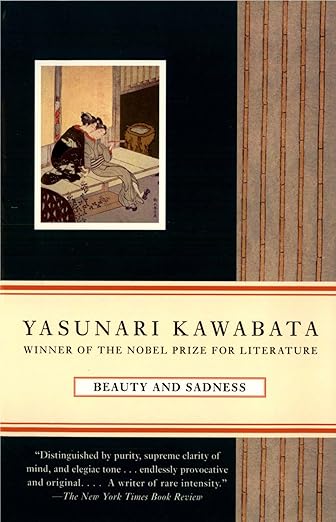
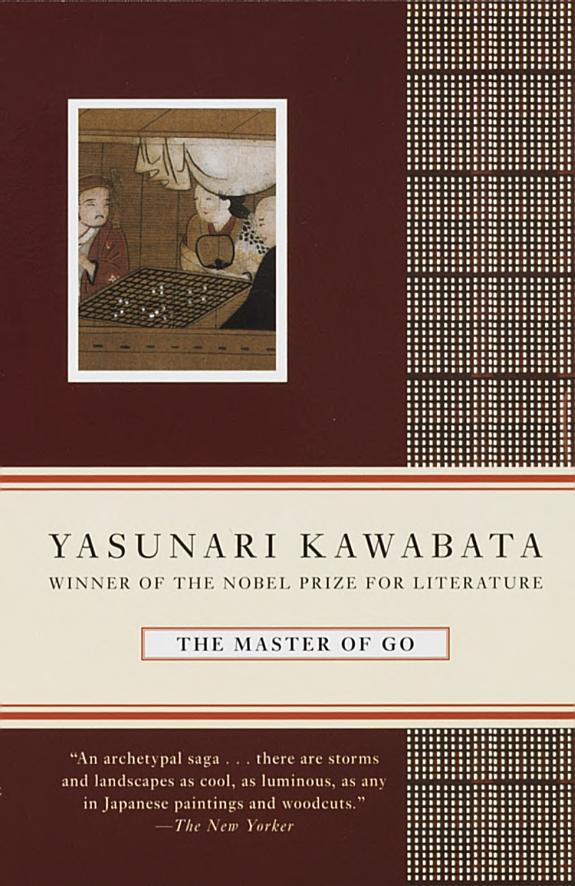
His major novels — Snow Country (Yukiguni), The Sound of Waves, The Old Capital, Thousand Cranes, The Master of Go, Beauty and Sadness — circle obsessively around beauty that is passing, love that cannot be consummated, and the Japanese concept of mono no aware (the pathos of things). Snow Country, his finest work, is the story of a Tokyo aesthete and the geisha he loves in a remote hot-spring resort, and it achieves in a relatively brief space an atmosphere of almost unbearable lyrical intensity. He died by suicide in 1972.