Stephen Snyder
Stephen Snyder came to Japanese literature through a translator's accident—the kind of detour that reshapes a career. After years of studying the language in graduate school, he found himself not in the academy but in the peculiar position of rendering some of contemporary Japan's most unsettling prose into English. What began as a pragmatic commitment to translation became something closer to an obsession with how violence and tenderness could occupy the same sentence, the same character, sometimes the same breath.
His 1995 translation of Ryu Murakami's Coin Locker Babies announced a translator unafraid of his source material's brutality. Murakami's novel is a savage coming-of-age story about two boys abandoned in a Tokyo train station, their lives twisted by abandonment and rage into something that refuses easy moral interpretation. Snyder's translation doesn't smooth away the novel's jagged edges or translate its aggression into something more palatable for English readers. Instead, he meets Murakami's refusal to sentimentalize with a prose style that's direct, almost clinical, letting horror accumulate through specificity rather than melodrama. The effect is claustrophobic—readers feel the constraint of the boys' world as much as they understand it intellectually.
Nearly two decades later, Snyder returned to another writer fascinated by transgression and desire: Yoko Ogawa. Her novel Revenge is a linked collection of stories, each narrated by a different woman, each circling around acts of vengeance that are often small, private, psychologically intricate. Where Murakami deals in the spectacular violence of damaged lives, Ogawa works in the finer instruments of resentment and retribution. Snyder's translation captures the eerie precision of her prose, the way each story unfolds with the inevitability of a trap being sprung. There's a coolness to the English version that matches Ogawa's refusal to judge her characters, even as they do terrible things.
What distinguishes Snyder's work across these two books is his willingness to trust difficulty—to assume readers can handle moral ambiguity and linguistic density without guidance. He doesn't explain Japanese cultural references so much as embed them into the English seamlessly enough that confusion itself becomes part of the reading experience. In an era when many translations sand down their originals, Snyder remains committed to the proposition that translation means fidelity to a book's particular temperature, its specific degree of coldness or heat.
On InkEast (11)

Revenge
2013

The Housekeeper and the Professor
2025

The Housekeeper and the Professor (Vintage Classics Japanese Series)
2009

Hotel Iris
2010
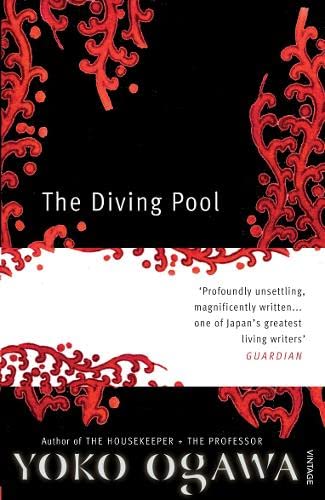
The Diving Pool
2009

The Memory Police
2019
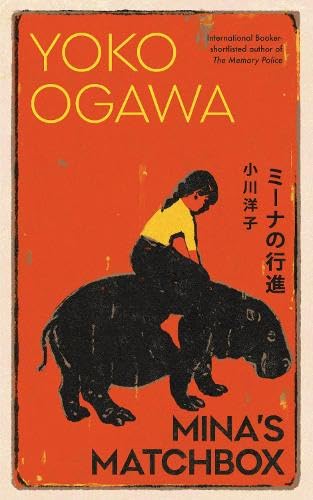
Mina's Matchbox: A spellbinding Japanese tale of friendship and family secrets
2024

Mina's Matchbox
2025

Coin Locker Babies
1995

Confessions
2014
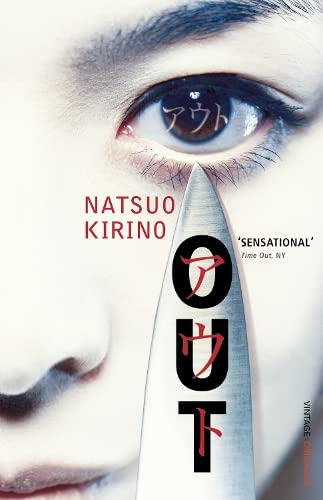
Out
2018