Margaret Mitsutani
Margaret Mitsutani discovered translation not through academic ambition but through a simple act of necessity. Living in Japan for decades, she found herself constantly mediating between worlds—explaining, interpreting, making sense of the gap between what was said in Japanese and what English speakers needed to hear. That gap, she realized, was not a problem to solve but a space to inhabit creatively. When she began translating Yoko Tawada's work, she was already fluent in the particular loneliness of existing between languages, which may explain why she gravitates toward a writer who makes that condition her artistic subject.
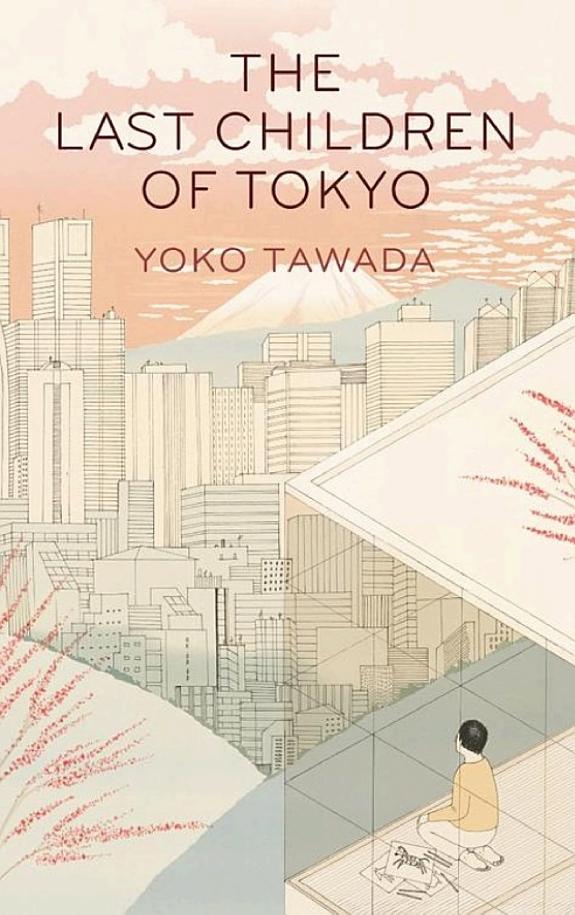
Tawada's prose is notoriously difficult to render in English. Her sentences spiral and double back; she treats Japanese and German with equal linguistic authority; she writes about displacement as both metaphor and material fact. Mitsutani's translations of The Last Children of Tokyo (2018) and The Emissary (2018) preserve the uncanny, almost fugitive quality of Tawada's voice—sentences that feel slightly estranged from their own language, as if the narrator is always translating internally. In The Last Children of Tokyo, a spare novel about a grandmother and grandchild navigating a post-disaster world, Mitsutani's English achieves an almost crystalline precision, each word weighed. The emotional restraint mirrors Tawada's own refusal to sentimentalize catastrophe.
With Scattered All Over the Earth (2022), her third Tawada translation, Mitsutani faced a more labyrinthine text—one that follows multiple characters across continents, where language itself becomes a character. The novel plays with linguistic fragmentation and code-switching in ways that could easily become gimmicky in translation. Instead, Mitsutani allows the strangeness to breathe on the page, making English feel newly strange to English readers. Her choices feel inevitable rather than imposed: when a character's grammar fractures, it registers as authentic disorientation rather than affectation.
Mitsutani's body of work, though modest in size, has earned recognition including a nomination for the International Booker Prize. Yet her real achievement may be quieter: she has become the primary conduit for one of Japan's most formally adventurous contemporary writers, proving that translation is not mere service work but an act of artistic interpretation. As Tawada's work grows in English-language prominence, Mitsutani's hand—her precise calibration of estrangement and clarity—will shape how a generation of readers understands what it means to write across linguistic and geographic borders.