
Rashomon
Translated by Jay Rubin
About
At the ruined Rashōmon gate of Kyoto, a discharged servant shelters from the rain and debates whether to become a thief. Upstairs, he discovers an old woman pulling hair from corpses to make wigs. Their conversation about the morality of theft — each justifying their own desperation while condemning the other's — becomes one of literature's most compressed explorations of ethical relativism. Akutagawa's foundational story, based on tales from the twelfth-century Konjaku Monogatarishū, establishes the narrative technique that Kurosawa would later make famous: the same event seen from irreconcilable perspectives, each version logically consistent and morally incompatible. A story about the moment when civilization's rules stop applying — and the disturbing ease with which we construct new ones to replace them.
Related Books
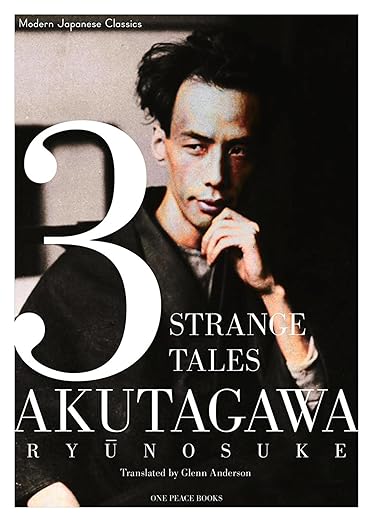
3 Strange Tales
Ryūnosuke Akutagawa
tr. Jay Rubin

Hell Screen
Ryūnosuke Akutagawa
tr. W.H.H. Norman

Asakusa Park: A Collection of Short Stories
Ryūnosuke Akutagawa
tr. Jay Rubin

The Beautiful and the Grotesque
Ryūnosuke Akutagawa
tr. Jay Rubin
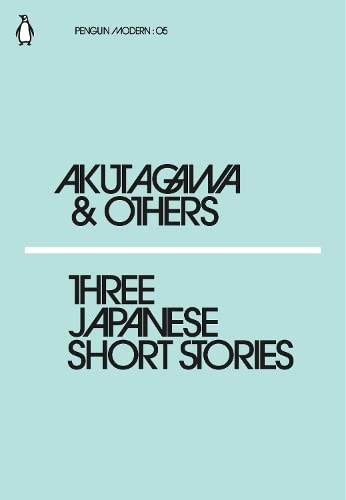
Three Japanese Short Stories
Ryūnosuke Akutagawa, Kafu Nagai, Chiyo Uno
tr. Jay Rubin