
1
Patriotism
A young officer's final night before ritual suicide becomes Mishima's most unflinching meditation on loyalty, desire, and the body as political battleground — beauty and horror inseparable.
🇯🇵 Japan199568 pages★ 4.0(1)
June 8–14, 2026
Fiction that bears witness. Political prisoners, disappeared neighbours, the quiet violence of authoritarian states. Five novels that refuse to let history be rewritten.
A young officer's final night before ritual suicide becomes Mishima's most unflinching meditation on loyalty, desire, and the body as political battleground — beauty and horror inseparable.
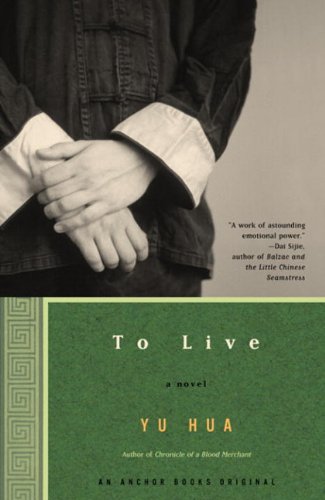
by Yu Hua
A man gambles away his fortune and spends four decades witnessing China's upheavals — civil war, revolution, famine, the Cultural Revolution — losing everyone he loves, his grief the only thing that accumulates. Yu Hua's prose is so spare and direct it reads like sworn testimony to a history his country tried to erase.
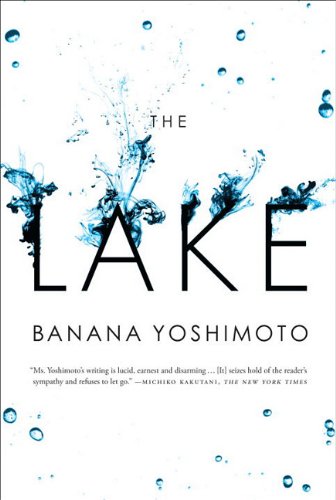
Two people circling each other near a lake, unable to fully speak their wounds — Yoshimoto maps love's most delicate work as the patient accumulation of shared meals and bearable silences.

Three women slip into sleep like a kind of haunting — Yoshimoto maps the territory between consciousness and oblivion with such delicacy that grief and loneliness feel less like emotions than like presences in the room.

A man abandoned without explanation by his four closest friends sixteen years prior seeks them out one by one, each visit a small reckoning with silence itself. Murakami's most restrained novel treats the unexplained rupture — that cruelest form of erasure — as worthy of pilgrimage.