Nicky Harman
When Nicky Harman first arrived in China in the 1980s, she had no intention of becoming a translator. She came to teach English, to live abroad, to see what the world beyond Britain looked like. But something happened in those early years—a deepening encounter with the language, with Chinese literature, with the particular music of Shaanxi dialect and the gritty realism of contemporary Chinese fiction. What began as curiosity became obsession, then vocation. By the time she published her first translation, Turbulence by Jia Pingwa, in 2002, Harman had already spent two decades learning not just the language, but the sensibility behind it.
The relationship between Harman and Jia Pingwa is perhaps unparalleled in contemporary literary translation—a deep, ongoing collaboration that has produced nine translations over more than two decades. This is not the work of a translator moving between authors, casting a wide net. This is sustained attention, the kind that only emerges from genuine literary kinship. Harman's rendering of Jia's densely textured prose—his layered narratives, his unflinching portrayal of rural and urban decline—has become the definitive English voice for one of China's most important living writers. Works like Ruined City and The Lantern Bearer arrive in English with a tactile precision that honors Jia's linguistic density without sacrificing readability.
What distinguishes Harman's work is her refusal of the exotic. She doesn't translate Jia's Shaanxi settings as quaint or folksy; instead, her prose conveys the existential weight of displacement, corruption, and cultural loss with a clarity that feels almost anthropological. In The Shaanxi Opera and The Mountain Whisperer, Harman captures the voice of a writer confronting modernity's casualties—the people left behind, the traditions erased—without sentiment or didacticism. The reader feels the texture of these lives on the page.
Her work with Dorothy Tse's Snow and Shadow expanded her range into Hong Kong's introspective modernism, but it is the Jia Pingwa corpus that represents her life's work. These translations have earned recognition beyond the specialist press, with Ruined City reaching wide audiences and establishing Harman as a crucial figure in making contemporary Chinese literature legible to English readers. Now in her sixties, with Old Kiln arriving in 2024, Harman continues to deepen her excavation of Jia's archive—proving that the translator's apprenticeship, once begun, never truly ends.
On InkEast (23)
Snow and Shadow
2014
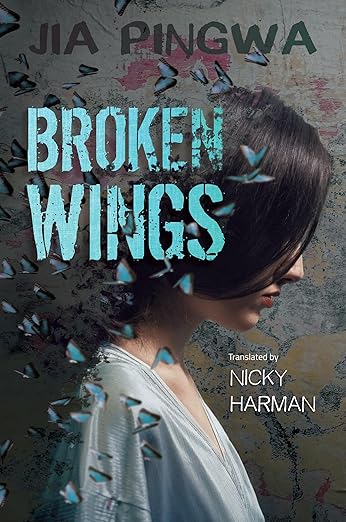
Broken Wings
2019
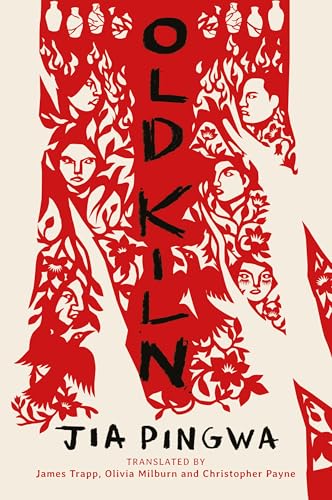
OLD KILN.
2024

Ruined City
2016

The Lantern Bearer
2017
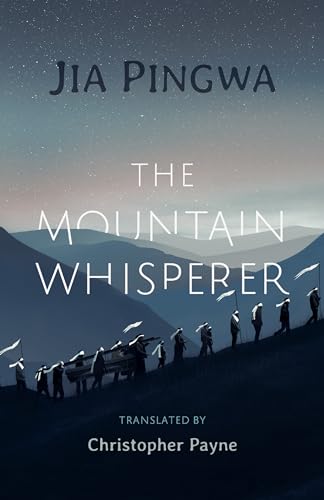
The Mountain Whisperer
2022
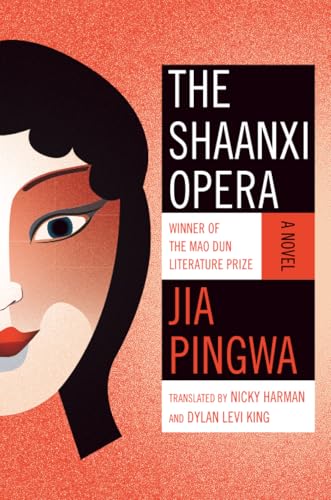
The Shaanxi Opera
2023

The Sojourn Teashop
2023

Turbulence
2002

The Uninvited
2007
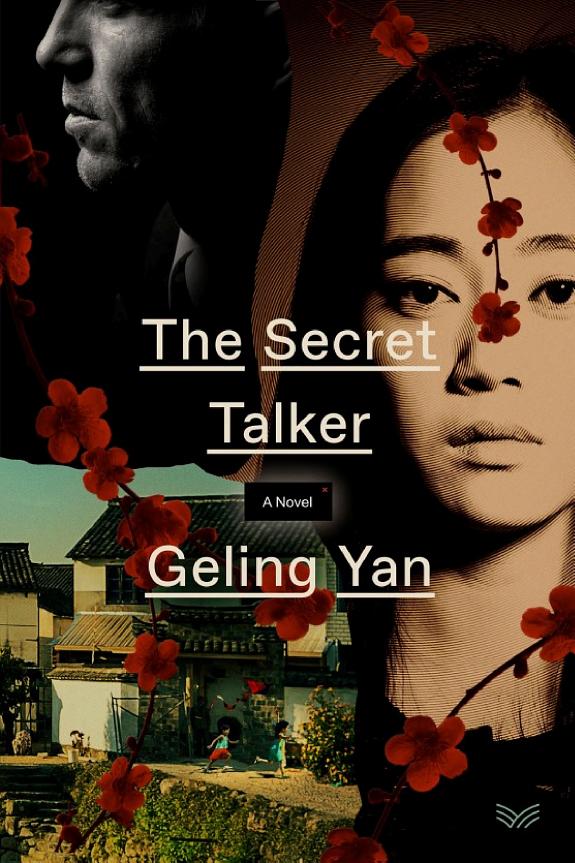
The Secret Talker
2021
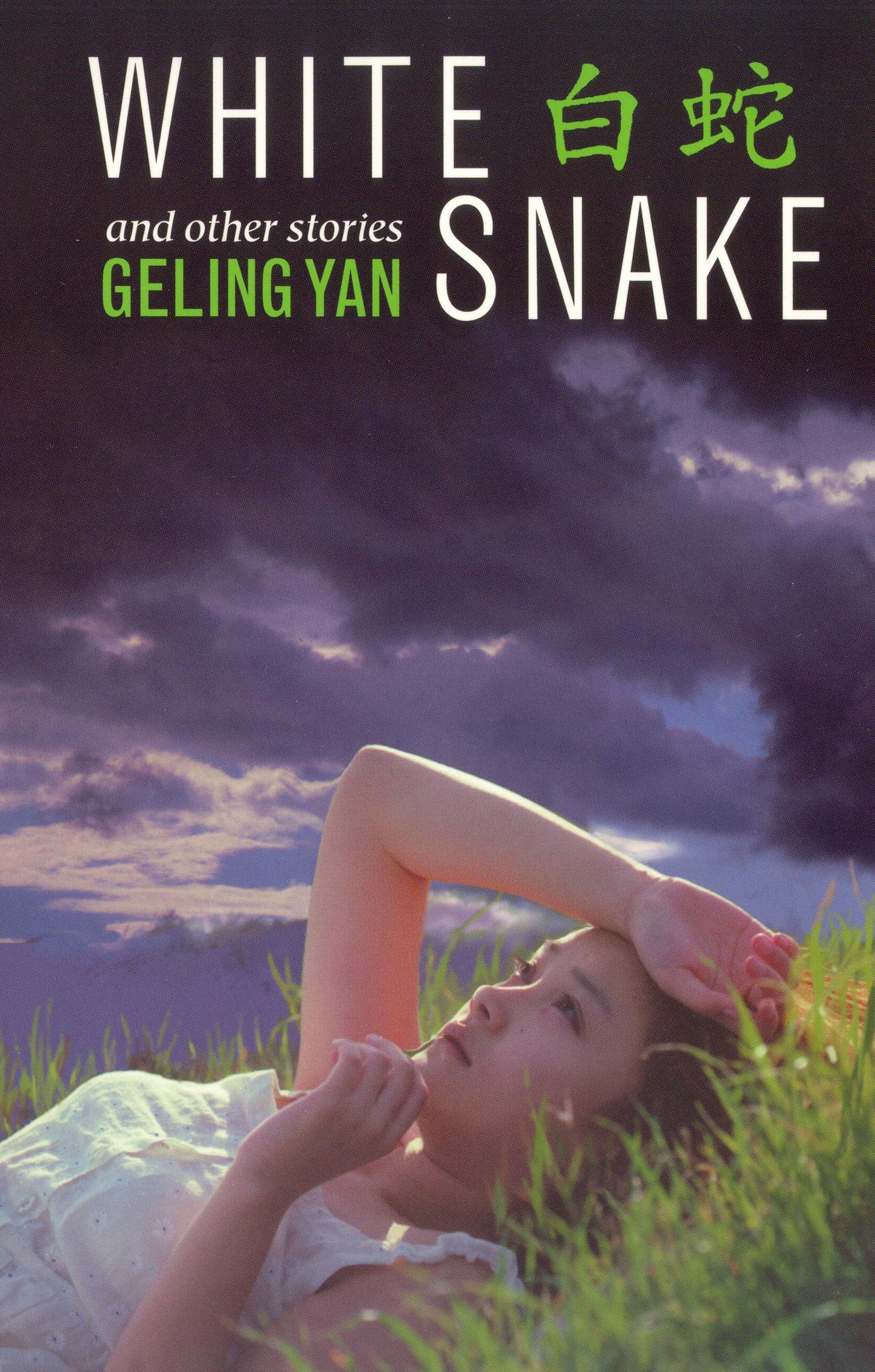
White Snake and Other Stories
1999
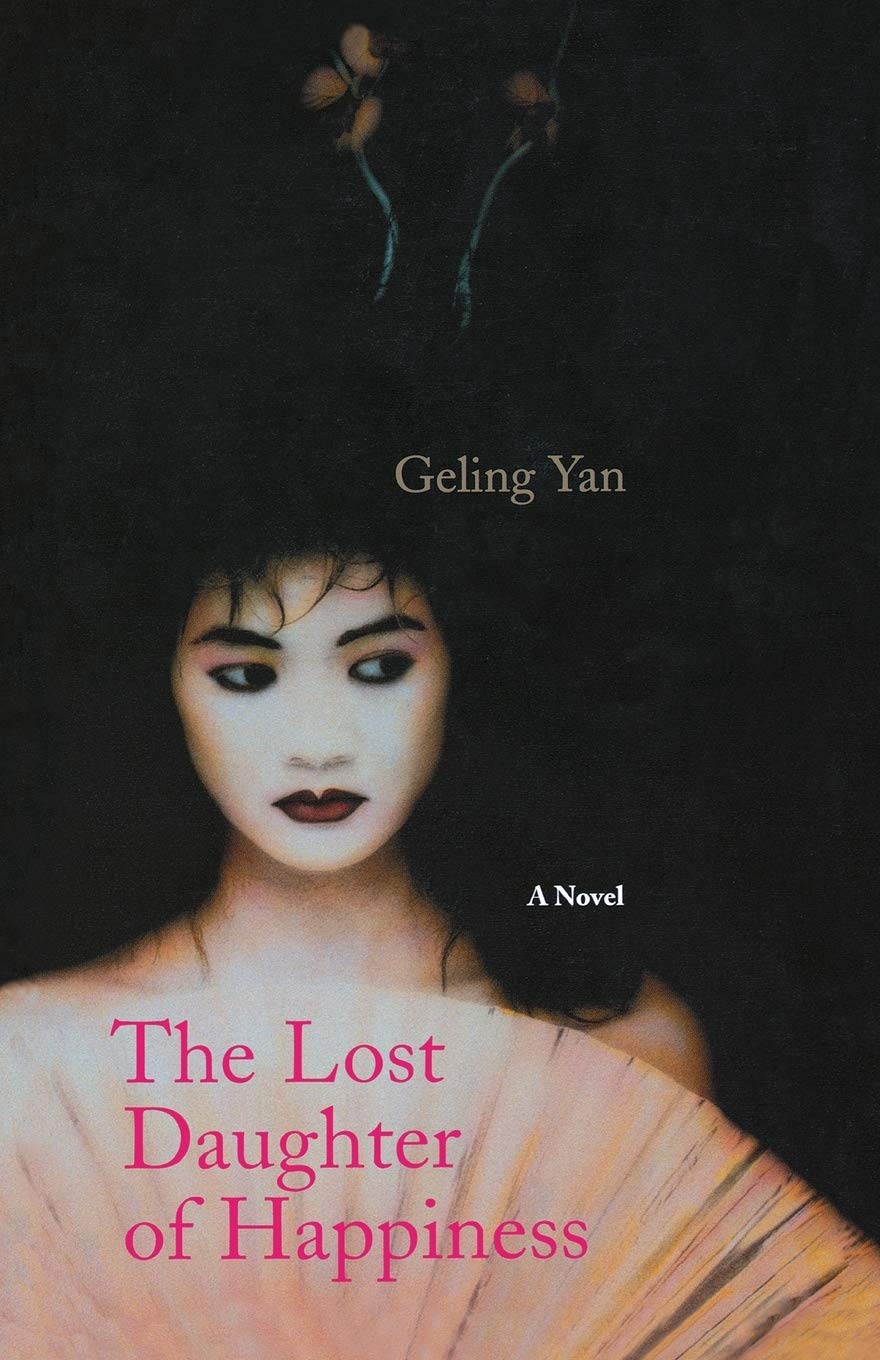
The Lost Daughter of Happiness
2001
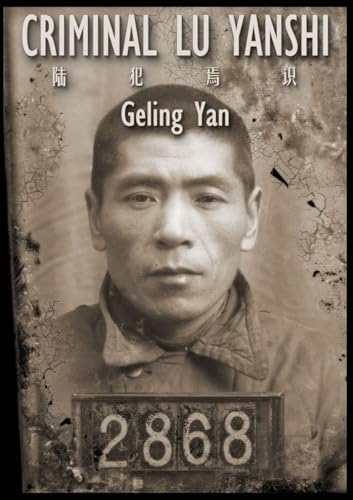
Criminal Lu Yanshi
2025

Little Aunt Crane
2016

The Banquet Bug
2007

The Chilli Bean Paste Clan
2018

Aftershock
2024

A Single Swallow
2020
COLLECTIVE MEMORIES OF 48 SENT-DOWN YOUTHS IN LIAOXI-SHENYANG
2015

Where Waters Meet
2023
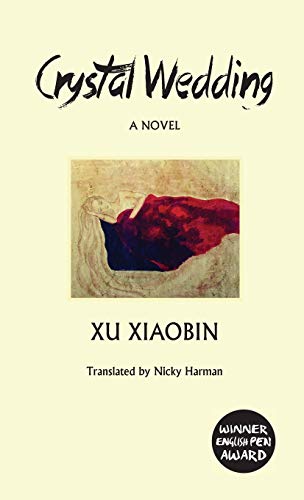
Crystal Wedding
2016
The Book of Beijing: A City in Short Fiction
2023