Edward G. Seidensticker
Edward Seidensticker arrived in Japan as a young serviceman after World War II and never quite left. While others rotated through, he stayed—married a Japanese woman, learned the language not as an academic exercise but as a daily necessity, and began noticing how badly the available English versions of Japanese classics actually read. This wasn't snobbery. It was the shock of recognition: the English on the page bore almost no relationship to what he heard in conversation, in literature, in the texture of the culture he was living inside. Something had to change.
His 1957 translation of Junichiro Tanizaki's The Makioka Sisters marked the watershed moment. Where earlier translators had either flattened Japanese prose into brittle English or strangled it with explanation and apology, Seidensticker found a third way: he let the sentences breathe. The novel's famous opening—its weather, its domestic rhythms, its almost invisible emotional currents—arrived in English as if the book had always been written there. Readers encountered not a translation but a discovery. Over the following decades, he would return again and again to Kawabata and Tanizaki, deepening the work with each encounter, revising earlier versions as his understanding of both languages evolved.
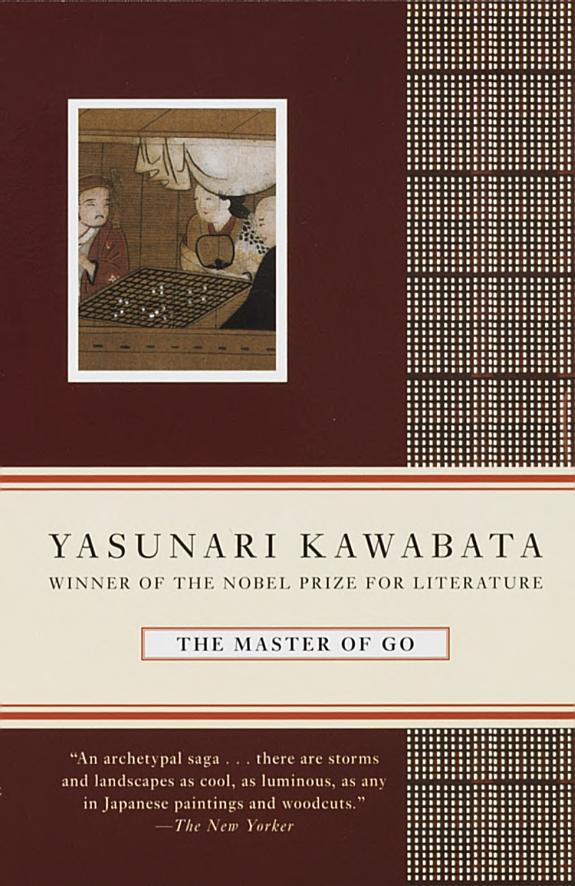
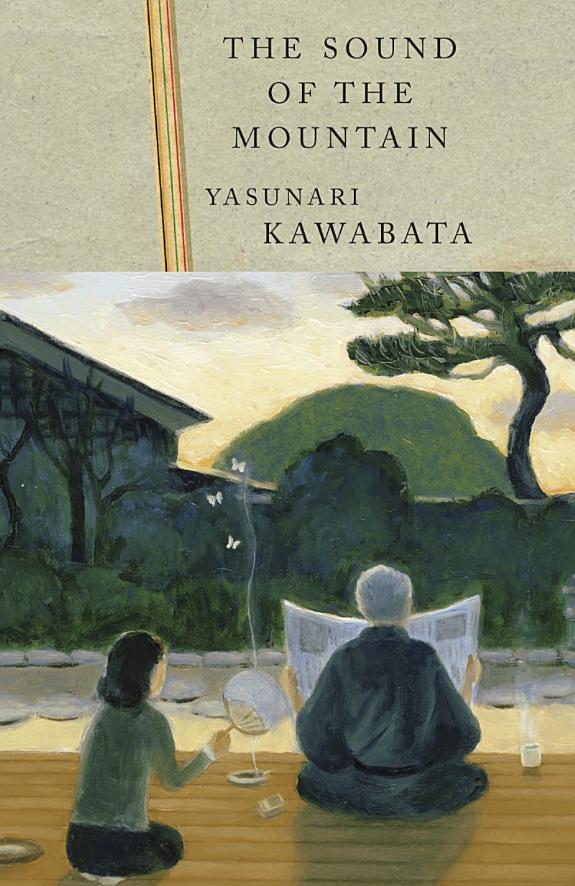
The four Kawabata translations that followed—Snow Country, Thousand Cranes, The Sound of the Mountain, The Master of Go—form something like a collaborative lifetime achievement. Each book demanded different solutions. Snow Country's elliptical, almost dreamlike beauty required a translator willing to trust silence and suggestion, to resist the urge to clarify what Kawabata deliberately left suspended. The Master of Go, by contrast, pivots on the precise terminology of Go itself, demanding both technical accuracy and the ability to convey how a game becomes metaphysics. Seidensticker managed both, never letting the intellectual architecture overwhelm the human longing at the novel's core.
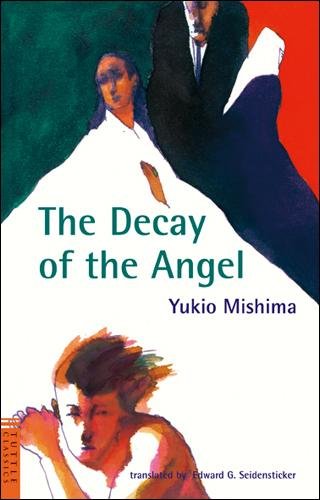
What distinguishes his work is an almost invisible fluency—the sense that English has simply expanded to accommodate these Japanese cadences, rather than the text being forced into an English straitjacket. His version of Some Prefer Nettles captures Tanizaki's ironic, almost carnal pleasure in the old ways without ever winking at the reader. And his final major achievement, The Decay of the Angel—Mishima's deliberately difficult coda to the Sea of Fertility tetralogy—proves that even near the end of his career, Seidensticker could meet difficulty with precision and grace. He didn't simplify Mishima's baroque texture or his philosophical brittleness; he honored it.
His influence transformed how English readers understood modern Japanese literature itself—not as an exotic other, but as a fully realized aesthetic tradition with its own logic, beauty, and demand to be taken seriously on its own terms.