Ginny Tapley Takemori
When Ginny Tapley Takemori first encountered Sayaka Murata's Convenience Store Woman, she recognized something that would anchor her translation practice for years: the possibility of rendering strangeness without apology. The novel's narrator, Keiko, finds profound belonging in the fluorescent anonymity of a convenience store, speaking in the clipped, procedural language of her workplace. To translate this required more than linguistic precision—it demanded permission to let oddness breathe on the page, to trust that English readers could sit with discomfort and find meaning there.
That willingness to honor a text's essential weirdness has become Takemori's signature. Her translation of Earthlings, Murata's hallucinatory novel about childhood trauma and bodily transformation, doesn't soften the surreal imagery or normalize its fractured narrator. Instead, she meets each distortion with clarity, allowing readers to experience the same unsettling vertigo as the original audience. The prose never explains itself away; it simply is. This approach has earned her repeated collaborations with Murata—five books translated to date—a relationship that deepens with each project, evident in how A Clean Marriage and Life Ceremony capture increasingly subtle registers of alienation and desire.
Beyond Murata's universe, Takemori has brought English-language readers closer to Akiyuki Nosaka's historical vision. Her translation of The Cake Tree in the Ruins, set in post-war Japan, grounds the narrative's magical realism in tactile, almost edible language—fruit and ash, memory and hunger intertwined. Most recently, her translation of Grave of the Fireflies (2025) inherits the weight of the text's cultural significance while carving its own path, emphasizing the sensory devastation of war through a lens that feels both intimate and universal.
What distinguishes Takemori's work is her refusal to mediate between reader and text. She doesn't domesticate Japanese narrative logic or soften its angles. Instead, she creates a space where strangeness becomes legible—where a woman can find salvation in a convenience store, where earthlings can shed their skin, where ruins can bear fruit. This is translation as an act of radical permission, one that has quietly reshaped English readers' appetite for Japanese fiction that doesn't perform familiarity. With Grave of the Fireflies now in circulation, Takemori's broader project—to make room in English for the particular loneliness and wonder of contemporary and historical Japanese voices—enters its most urgent phase.
On InkEast (14)

A Clean Marriage
2024

Mornings With My Cat Mii: An uplifting Japanese gift for cat lovers
2024

Grave of the Fireflies
2025
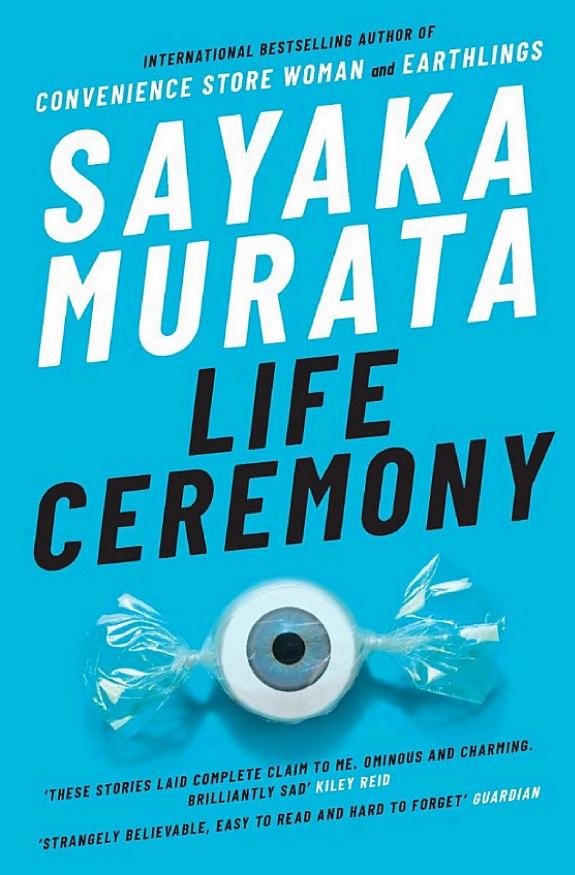
Life Ceremony
2022

Earthlings
2021

Convenience Store Woman
2018

Vanishing World
2025

The Cake Tree in the Ruins
2018

She and Her Cat
2017

She and Her Cat: Stories
2022

She and her Cat: for fans of Travelling Cat Chronicles and Convenience Store Woman
2022

The Secret of the Blue Glass
2017

The Whale that Fell in Love with a Submarine
2015
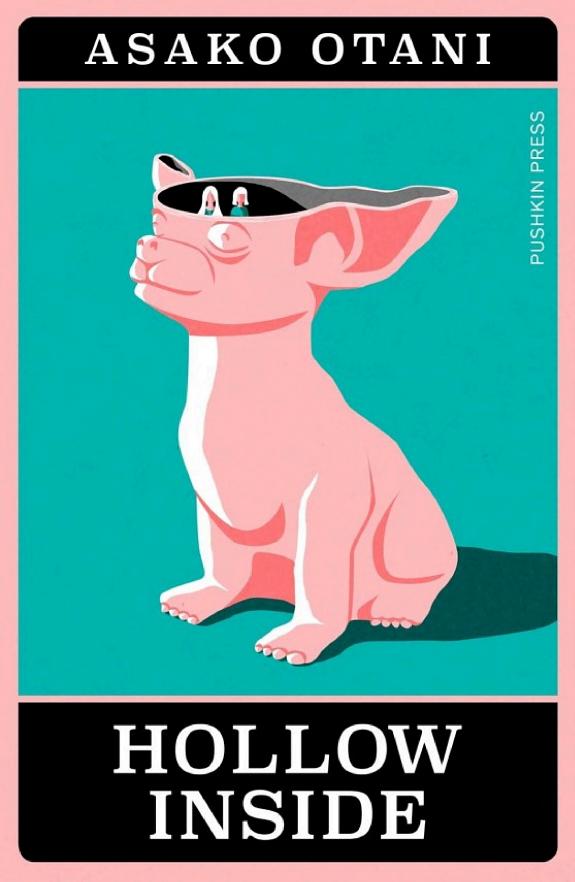
Hollow Inside
2026