Asa Yoneda
Asa Yoneda grew up between languages—raised in Japan by an American mother, she inhabited a household where translation wasn't a career choice but a daily necessity, a constant negotiation between two ways of seeing. Yet she didn't plan to become a translator. She studied literature at university, worked in publishing, lived the kind of literary life that thousands do without ever crossing into that liminal space where two languages meet on the page. The turning point came quietly: while reading Banana Yoshimoto's Kitchen in both Japanese and English, she found herself troubled by a particular passage, then another. The translation felt distant from the original's emotional texture—efficient but somehow muffled. She began annotating, then rewriting in margins, then she couldn't stop.
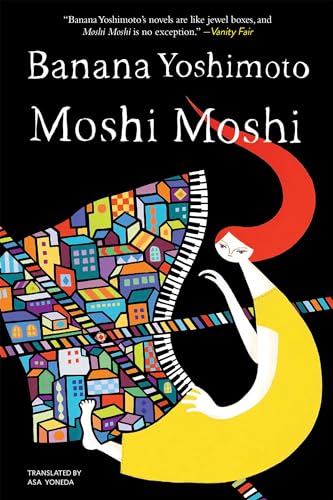
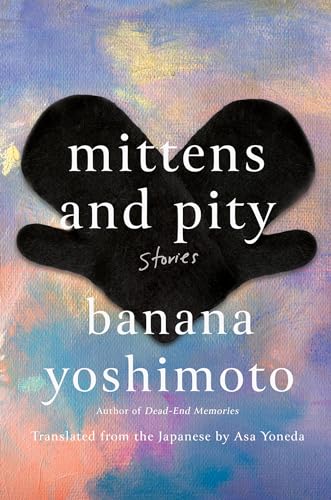
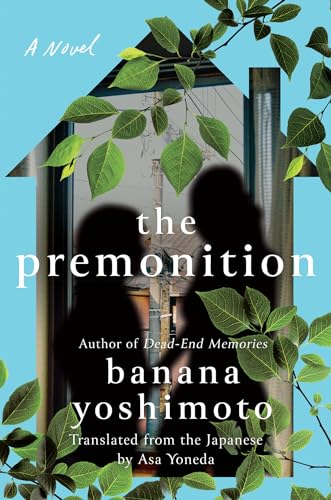
That obsessive attention to Yoshimoto's voice became her method. When Yoneda's translation of Moshi Moshi appeared in 2017, readers encountered something revelatory: a Yoshimoto rendered not into standard literary English but into something closer to her original register—conversational, digressive, punctuated by silences. Yoneda doesn't flatten Yoshimoto's peculiar syntax or iron out her casual repetitions. Instead, she preserves the feeling of a mind thinking aloud, the way grief and mundanity collide in Yoshimoto's prose without announcement or fanfare. Her subsequent translations—Dead-End Memories (2022), The Premonition (2023), and the forthcoming Mittens and Pity—have deepened this approach, each collection revealing new dimensions of how Yoshimoto's deceptively spare language can hold emotional complexity.
What makes Yoneda's work distinctive is an almost archaeological sensitivity to register and rhythm. She listens for what Yoshimoto leaves unsaid, then finds English words that carry the same weight of implication. In The Premonition, a story about estrangement unfolds through fragments of dialogue and interior monologue; Yoneda's English mirrors this fractured quality without becoming fragmented itself. The prose breathes at Yoshimoto's pace, pauses where Yoshimoto pauses. This fidelity to voice rather than merely to meaning has made Yoneda the essential English conduit for a major Japanese writer in her maturity. As Yoshimoto's catalog continues to deepen in translation under her care, each new volume feels less like a book appearing in English and more like an alternate original—proof that the best translations don't bridge languages so much as they make languages available to each other.