Philip Gabriel
Philip Gabriel didn't set out to become the English voice of Haruki Murakami. In the late 1990s, he was a respected translator working across multiple Japanese authors, building a reputation for precision and cultural literacy. Then came Sputnik Sweetheart, a novel about longing and incompleteness that seemed to demand a particular kind of restraint—a willingness to let silence do as much work as language. Gabriel discovered something in that book that would define his career: Murakami's style required not more English, but less, a paring away of flourish that mirrored the emotional minimalism at the heart of his prose. Where other translators might have felt the pressure to elaborate or explain the gaps in Murakami's narrative, Gabriel learned to trust the void.
That lesson shaped everything that followed. In Kafka on the Shore and Colorless Tsukuru Tazaki and His Years of Pilgrimage, Gabriel's translations have a particular luminousness—not the brightness of elaboration, but the clarity of something essential distilled. His sentences move at Murakami's pace, neither rushed nor languid, with a conversational directness that masks considerable technical precision. When Murakami writes about disconnection or parallel worlds, Gabriel's English doesn't try to bridge those gaps with lyrical flourish. Instead, it occupies them, making loneliness legible on the page.
Beyond Murakami, Gabriel proved his range with Lonely Castle in the Mirror, Mizuki Tsujimura's intricate time-slip novel about wounded teenagers finding solace in a mysterious castle. Here his gift for maintaining narrative clarity through labyrinthine plotting became essential—the kind of invisible craftsmanship that lets readers lose themselves without losing the thread.
Gabriel's body of work has earned him recognition in publishing circles, though he remains less celebrated in the mainstream than some of his contemporaries. Perhaps this obscurity suits him; his strength has always been in allowing the original author to speak without mediation, in understanding that the translator's greatest achievement is often complete effacement. With The City and Its Uncertain Walls arriving in 2025, Gabriel continues his three-decade conversation with Murakami—a partnership so long and intimate it has become impossible to imagine one without the other.
On InkEast (20)

Lonely Castle in the Mirror
2021

Colorless Tsukuru Tazaki and His Years of Pilgrimage
2014
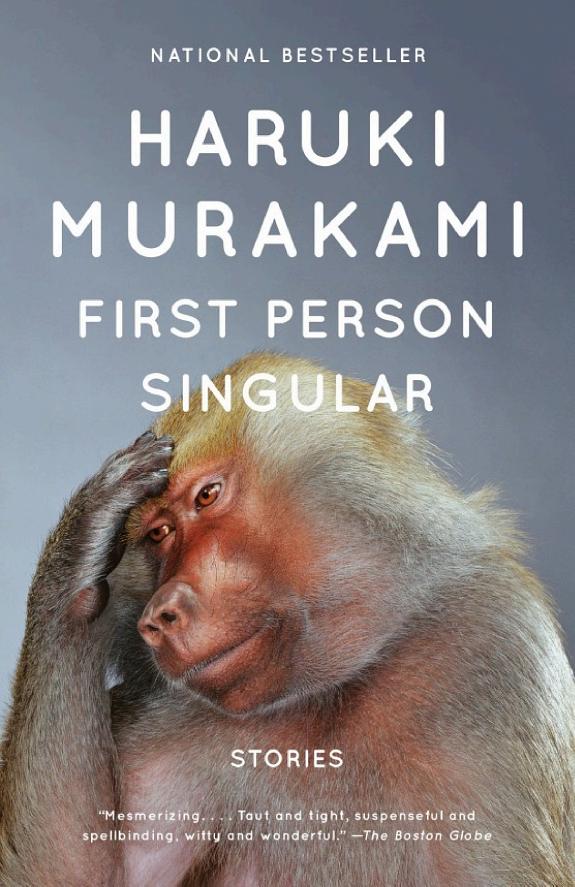
First Person Singular: Stories
2021

Kafka on the Shore
2005

Killing Commendatore
2018

Men Without Women: Stories
2017
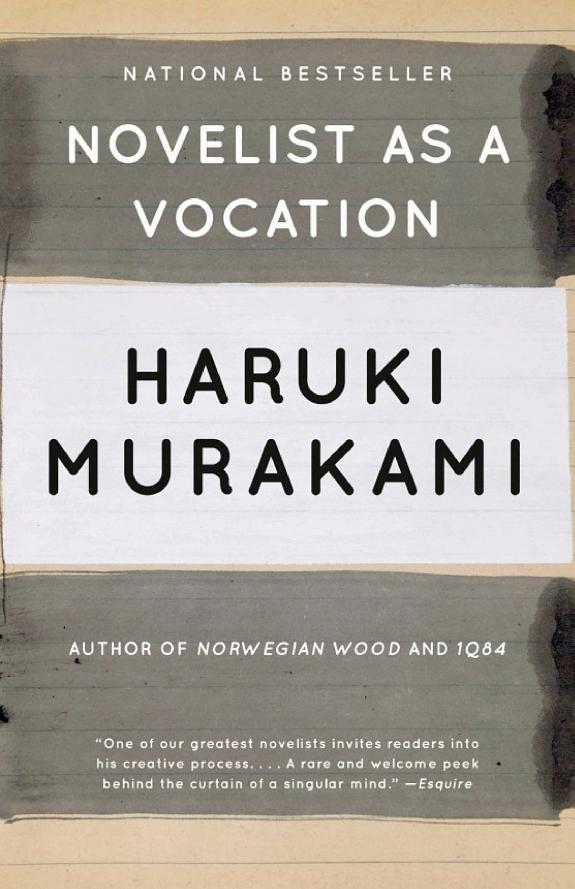
Novelist as a Vocation
2022

South of the Border, West of the Sun
2010

Sputnik Sweetheart
2002
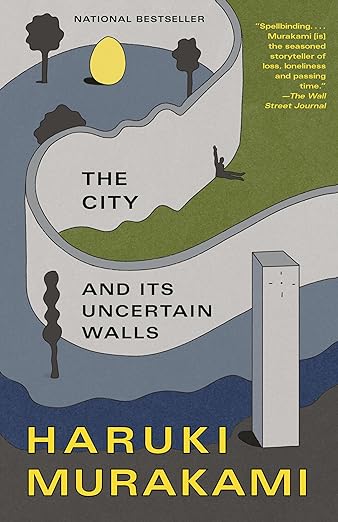
The City and Its Uncertain Walls
2025

What I Talk About When I Talk About Running
2008

Lost Souls Meet Under a Full Moon
2025

Yami-Hara
2023

A School Frozen in Time 4
2021
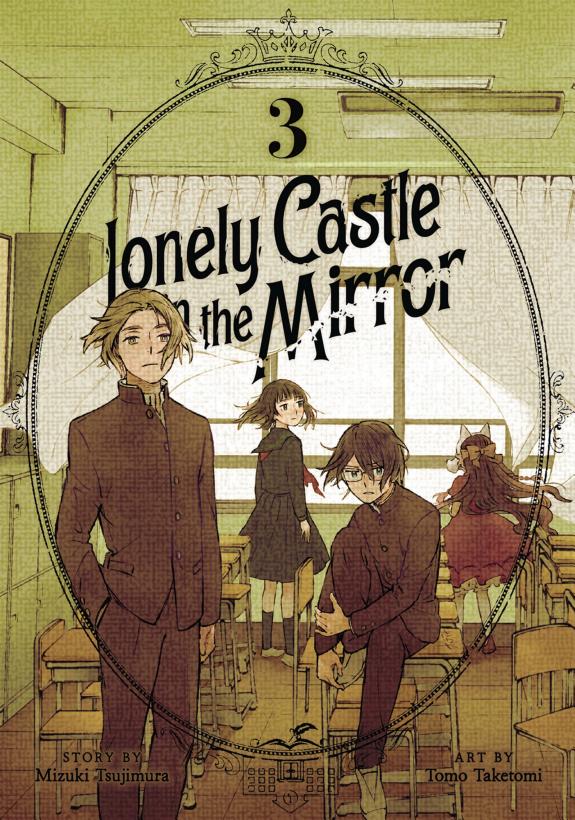
Lonely Castle in the Mirror (Manga) Vol. 3
2024

Anime Supremacy!
2017

How to Hold Someone in Your Heart
2026

Blind Willow, Sleeping Woman
2007

The Goodbye Cat
2023

The travelling cat chronicles
2018