Allan H. Barr
Allan H. Barr discovered Yu Hua not through literary channels but through necessity. Working as a China specialist in the 1990s, he found himself reaching for Yu's work to understand the country's emotional and moral texture—the gap between official narratives and lived experience that fiction alone could articulate. What began as professional curiosity became something deeper: a recognition that no existing English translation captured the particular ferocity of Yu's voice, the way his sentences could pivot from tenderness to violence without warning. So Barr began translating him, first tentatively, then with the focus of someone who has found his life's work.
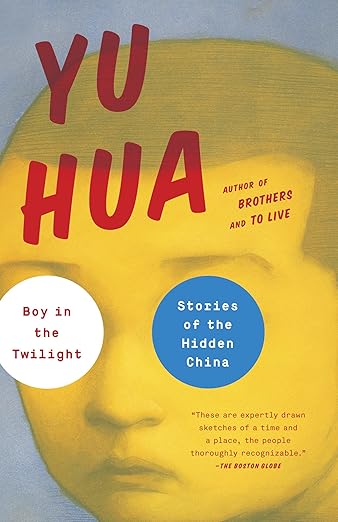
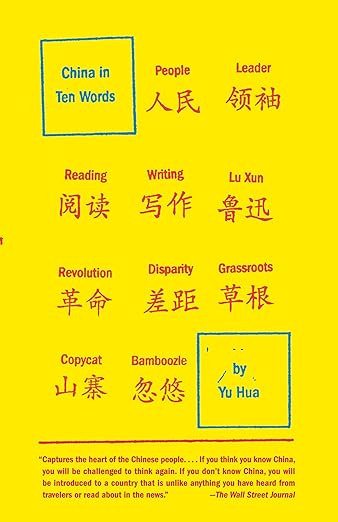
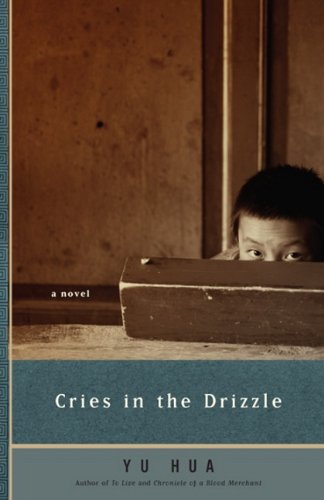
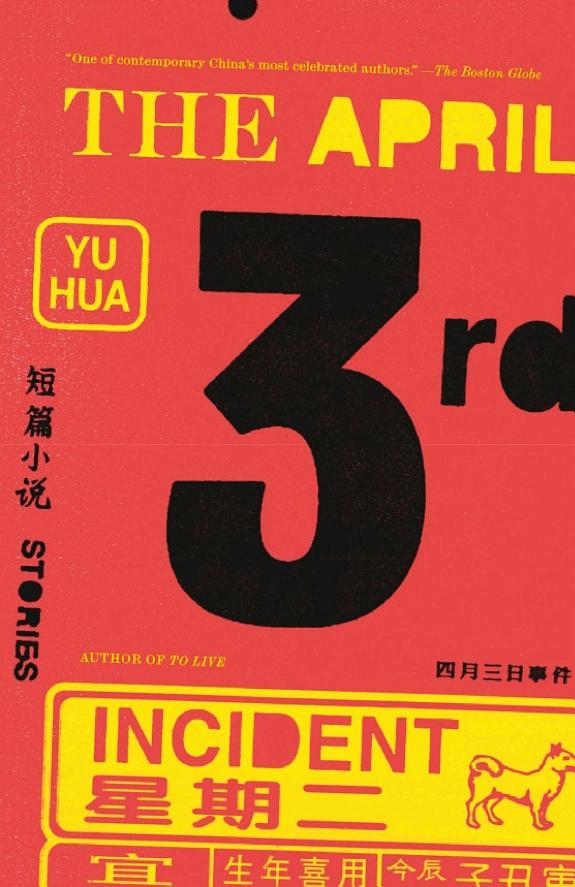
Over the past fifteen years, Barr has become the essential interpreter of Yu Hua in English, translating five books that together form a portrait of contemporary China's conscience. His rendering of Cries in the Drizzle (2008) introduced readers to Yu's sparse, almost hallucinatory style—a prose that strips away sentiment to reach something rawer beneath. Later, China in Ten Words (2012), his translation of a philosophical essay collection, showed Barr's ability to navigate Yu's more essayistic register without losing the literary force that animates everything he touches. The stories in Boy in the Twilight (2014) and The April 3rd Incident (2018) reveal Barr's growing confidence in letting Yu's sentences breathe in English, trusting that strangeness and difficulty can coexist with clarity.
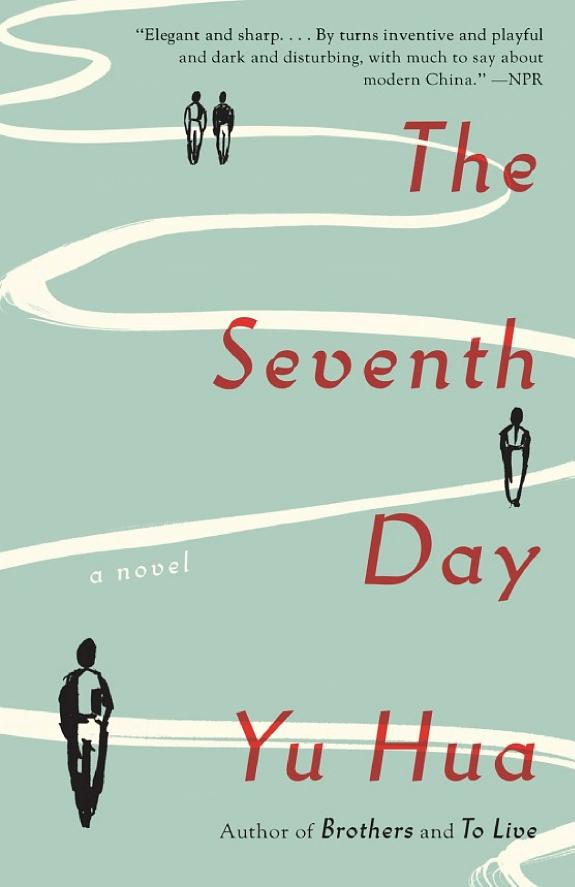
What distinguishes Barr's work is his refusal to smooth over dissonance. Where other translators might iron out Yu's jagged rhythms for Western readers, Barr preserves them—the sudden shifts in perspective, the colloquial eruptions within formal passages, the way Yu's narrators circle the same trauma from different angles. Reading Barr's translations, you feel the work being done on the page, the translator visible not as ego but as a careful witness. His introduction to The Seventh Day (2015) demonstrates this too: he doesn't explain Yu away but rather contextualizes the decision to keep certain formal choices intact.
The measure of Barr's achievement isn't institutional—though his translations have received serious critical attention—but rather in the durability of his work. Yu Hua's voice has become inseparable from Barr's English, which is perhaps the highest compliment a translator can receive. As he continues his deep dive into Yu's catalogue, Barr remains focused on what drew him to this writer initially: the possibility that literature might say what politics cannot.