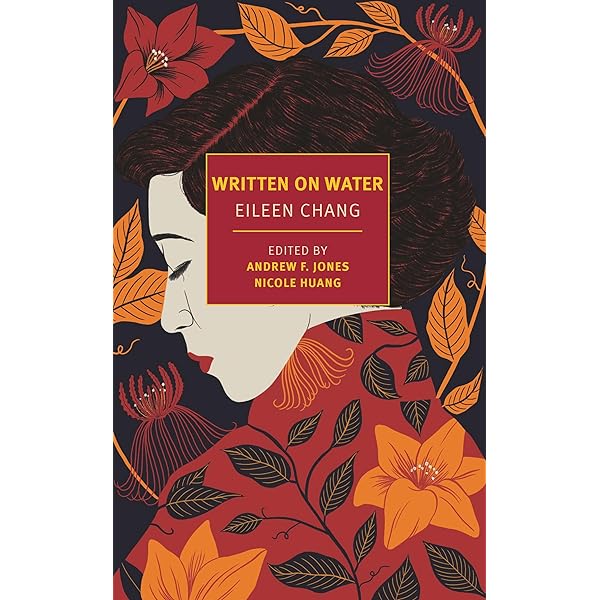
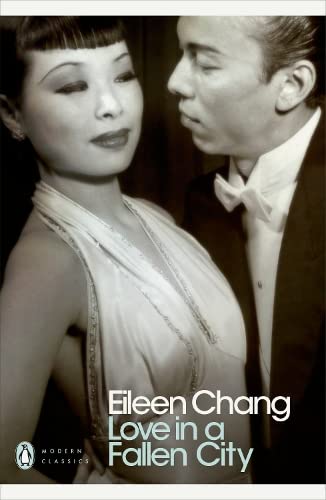
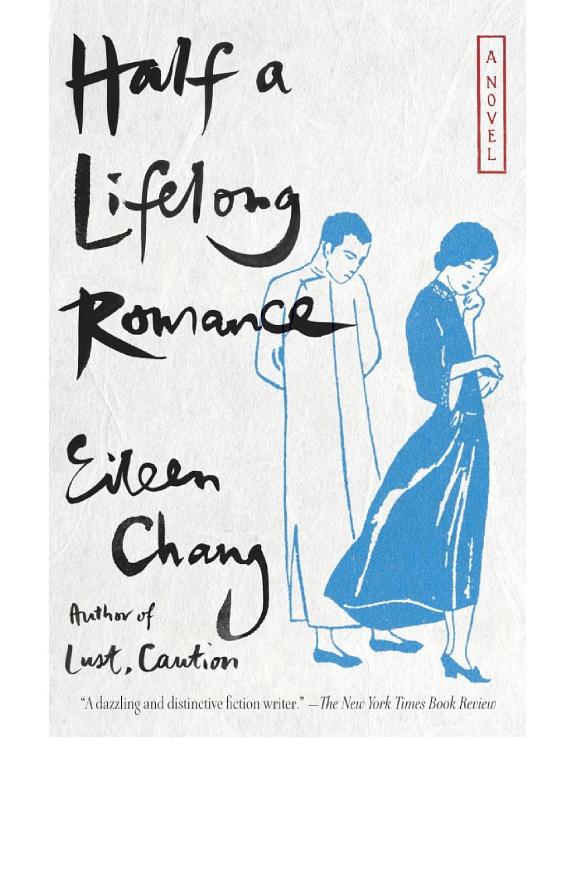
Eileen Chang
Eileen Chang (Zhang Ailing, 1920–1995) is one of the twentieth century's great writers in any language, a Chinese author whose fiction of domestic entrapment, erotic power, and social corrosion burns with an intelligence and intensity that time has only intensified. Born into a declining Qing Dynasty family in Shanghai, she published her most celebrated work in the early 1940s — during the Japanese occupation — writing about love, marriage, and money with a cool, almost cruel lucidity.
Love in a Fallen City, The Golden Cangue, Lust, Caution (adapted by Ang Lee into a 2007 film) — these works established her as the supreme chronicler of Old Shanghai and of the particular ways women navigate desire and constraint. She later emigrated to the United States, where she worked in relative obscurity until her death, largely unknown outside Chinese-speaking literary circles. The belated translation of her work into English — championed first by C. T. Hsia and later by translators including Karen Kingsbury and Julia Lovell — has begun to give her the international reputation she deserves.