Giles Murray
When Giles Murray first encountered Keigo Higashino's work, he wasn't searching for a life's project—he was simply reading. But something in the architecture of those sentences, the way Higashino nested plot within plot like Russian dolls of suspicion and motive, made him pause. Murray realized that translating Higashino wasn't merely a technical challenge of moving words from Japanese to English. It was an act of reconstruction, of finding the precise English equivalent for a mind that thinks in puzzles.
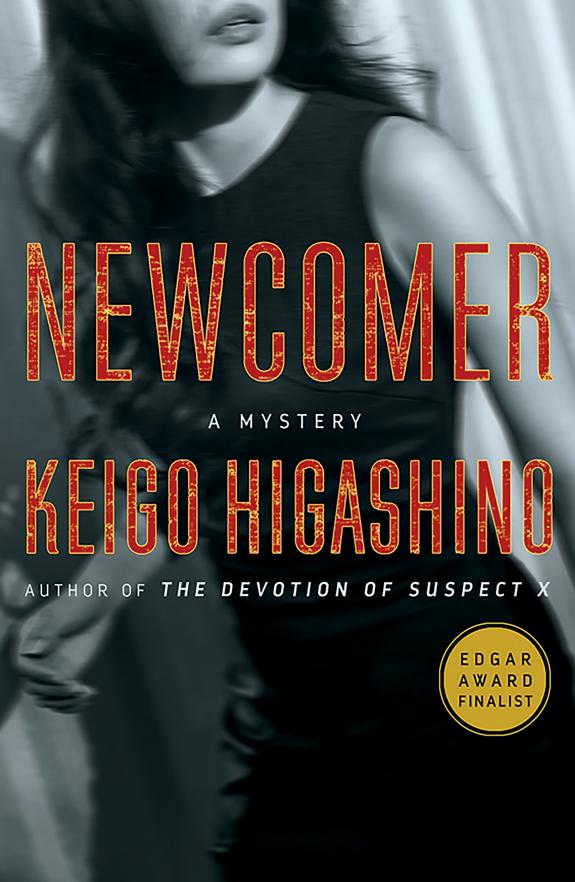
Murray's path into translation wasn't the straight climb many imagine. His deep fluency in Japanese came from years of immersion, but his commitment to mystery fiction—particularly Higashino's densely plotted detective narratives—revealed something crucial about how he approaches language: as a reader first, then as a craftsman. When he translated Newcomer: A Mystery in 2018, introducing English speakers to Higashino's Detective Yukawa, Murray made a choice that would define the rest of his work: he prioritized clarity without sacrificing the rhythmic complexity of the original. The prose moves briskly, yet never feels rushed. Readers feel held, guided through labyrinths where every detail might matter.
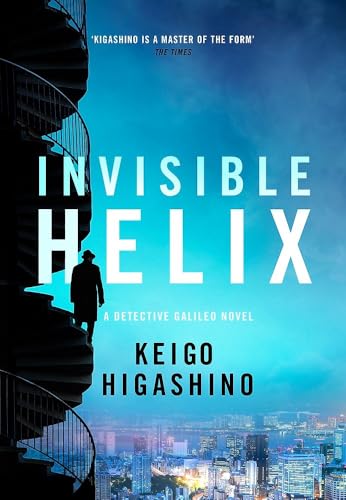
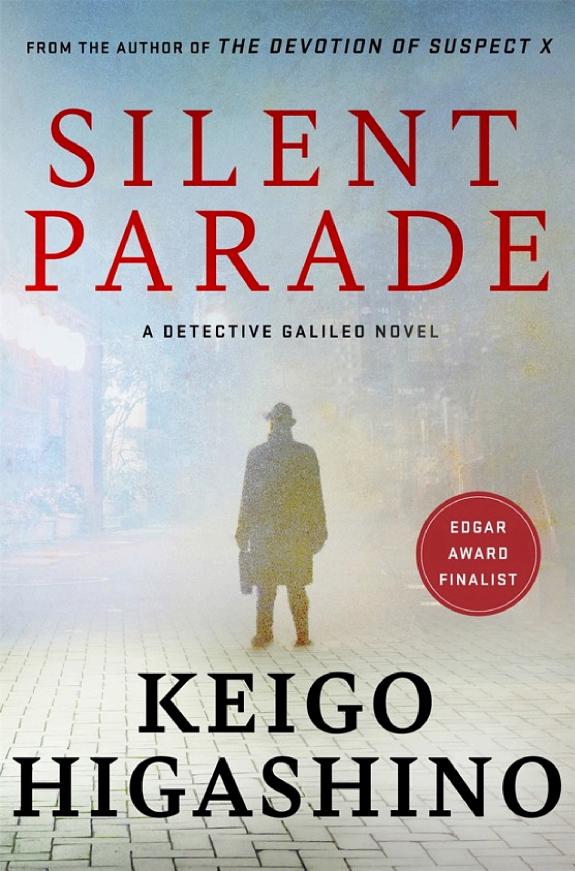
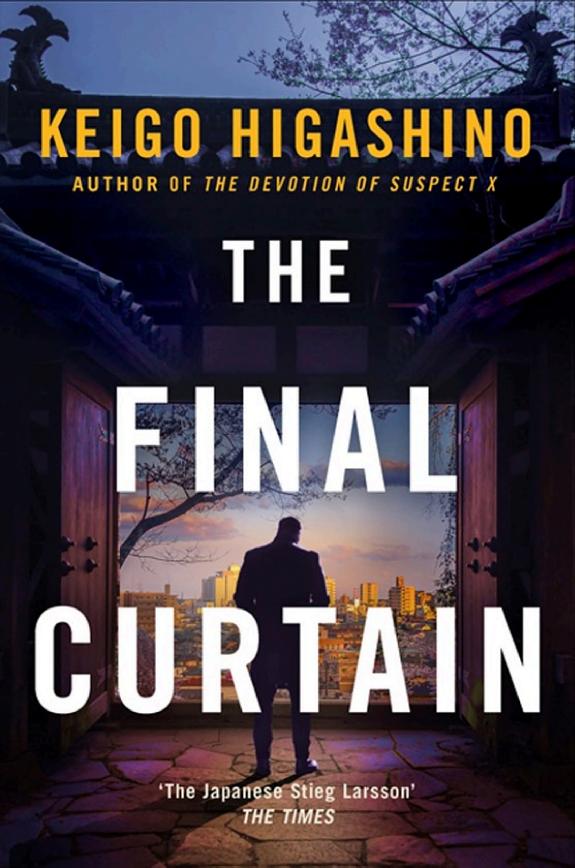
Over the subsequent years, translating Silent Parade, A Death in Tokyo, The Final Curtain, and Invisible Helix, Murray has become the essential conduit for Higashino's English readership. His translations don't flatten the author's intricate plotting; instead, they illuminate it. In Silent Parade, where a community's collective silence becomes as suspicious as any confession, Murray captures the suffocating social pressure beneath surface civility. His vocabulary choices—precise without being stiff—allow readers to feel the weight of unspoken judgment. These aren't academic translations; they're page-turners that happen to be faithful.
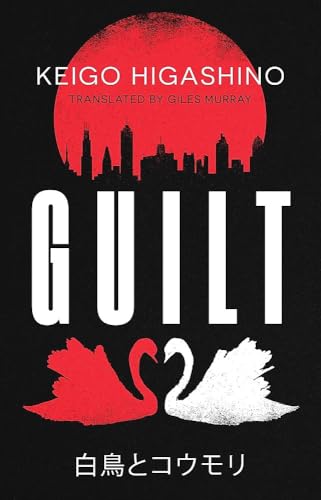
The accumulation of these translations has positioned Murray as something rare: a translator so attuned to a single author that the pairing feels inevitable, almost authorial. With Guilt arriving in 2026, Murray continues deepening his relationship with Higashino's universe. What distinguishes his work is a refusal to simplify Japanese narrative structures for English readers. Instead, he trusts that English readers, like Japanese ones, can navigate moral ambiguity and nested perspectives—if the translation is supple enough to carry them through.