Karen Gernant
When Karen Gernart first encountered the work of Can Xue in the 1990s, most English-language readers had never heard the Chinese writer's name. The prose was deliberately fractured, the narratives looped back on themselves, the settings seemed to exist in some dreamlike suspension between realism and abstraction. A lesser translator might have seen an unsolvable puzzle. Gernart saw an invitation—and spent the next two decades answering it.
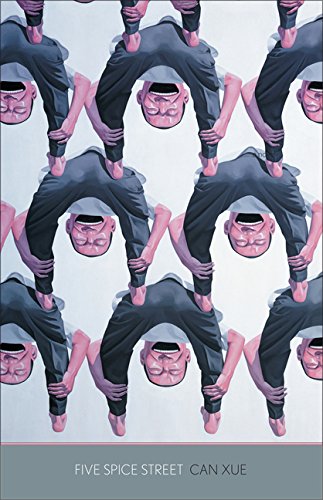
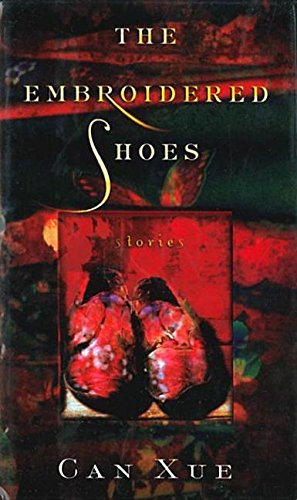
Her collaboration with Can Xue has become one of the most sustained and adventurous translation partnerships in contemporary literary culture. Where other translators might have smoothed the writer's rough edges in service of readability, Gernart has instead learned to read Can Xue's disruptions as precision itself. In Vertical Motion (2011), her early translation of Can Xue's vertiginous debut, Gernart preserves the peculiar grammar of the original—the way sentences seem to dissolve into one another, how time moves sideways rather than forward. The effect on the page is unsettling, sometimes maddening, but also magnetic: you surrender to the prose rather than master it. By Five Spice Street (2009) and The Last Lover (2014), Gernart had developed a distinctive approach, one that trusts Can Xue's opacity rather than fighting it, allowing English readers to experience the same vertigo the Chinese text generates.
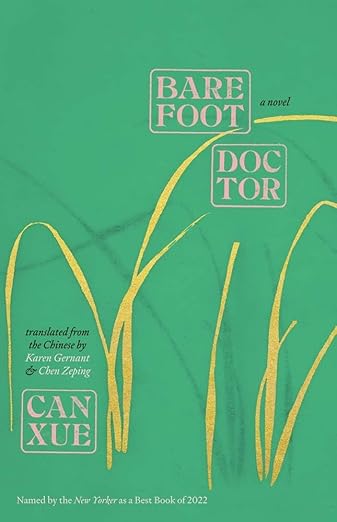
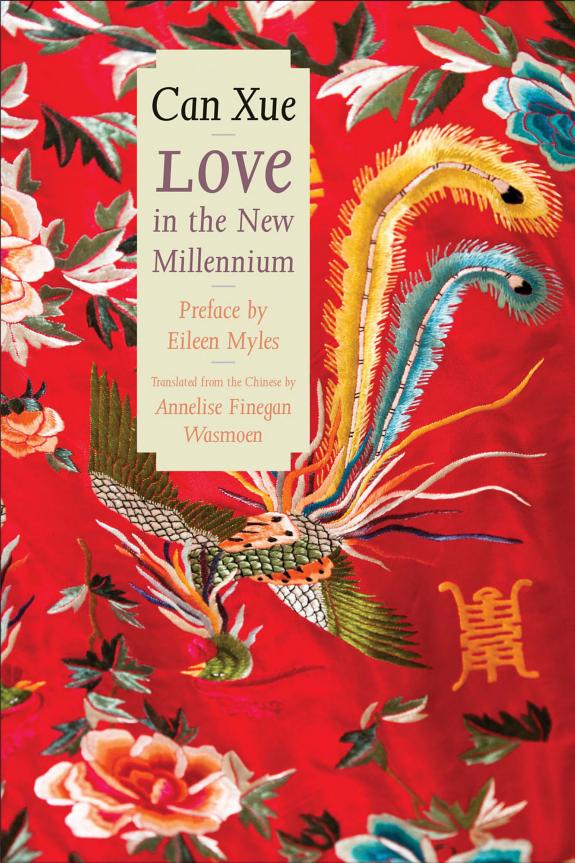
What distinguishes Gernart's work is her refusal to treat difficulty as a problem to be solved. In Love in the New Millennium (2018) and the recent Barefoot Doctor (2022), her translations crackle with an almost musical precision—repetitions become incantatory, fragmentation becomes form. She doesn't domesticate Can Xue's vision; she makes room for it. The prose asks questions about memory, desire, and the unstable ground of consciousness, and Gernart's English allows those questions to linger without offering false clarity.
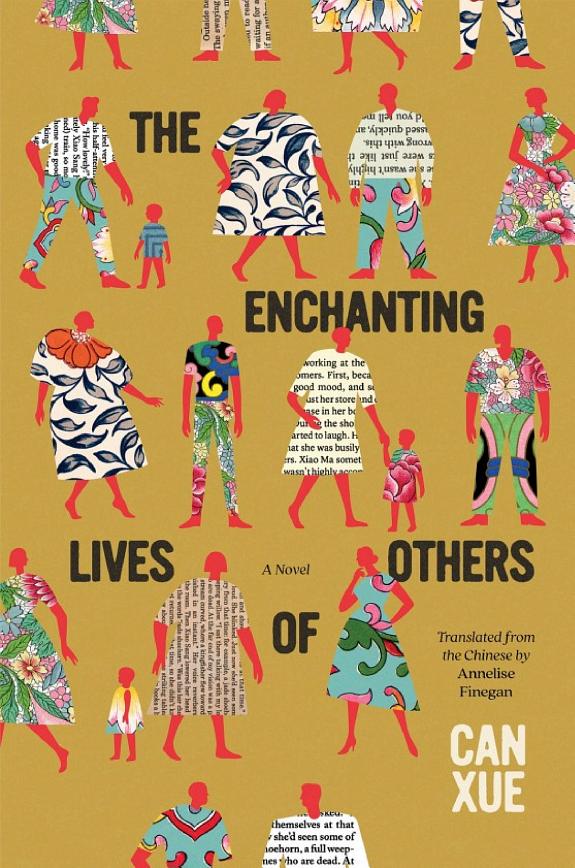
Over fifteen years, Gernart has become something rarer than a skilled technician: she's become Can Xue's essential interpreter for English readers, the translator through whom an entire body of formally experimental work has gained an international audience. Her forthcoming translations—Mother River and The Enchanting Lives of Others—promise to deepen that conversation, pulling more of Can Xue's formally radical fiction into English. In an era of algorithmic ease, Gernart's commitment to books that actively resist simplification feels almost defiant.