Michael Gallagher
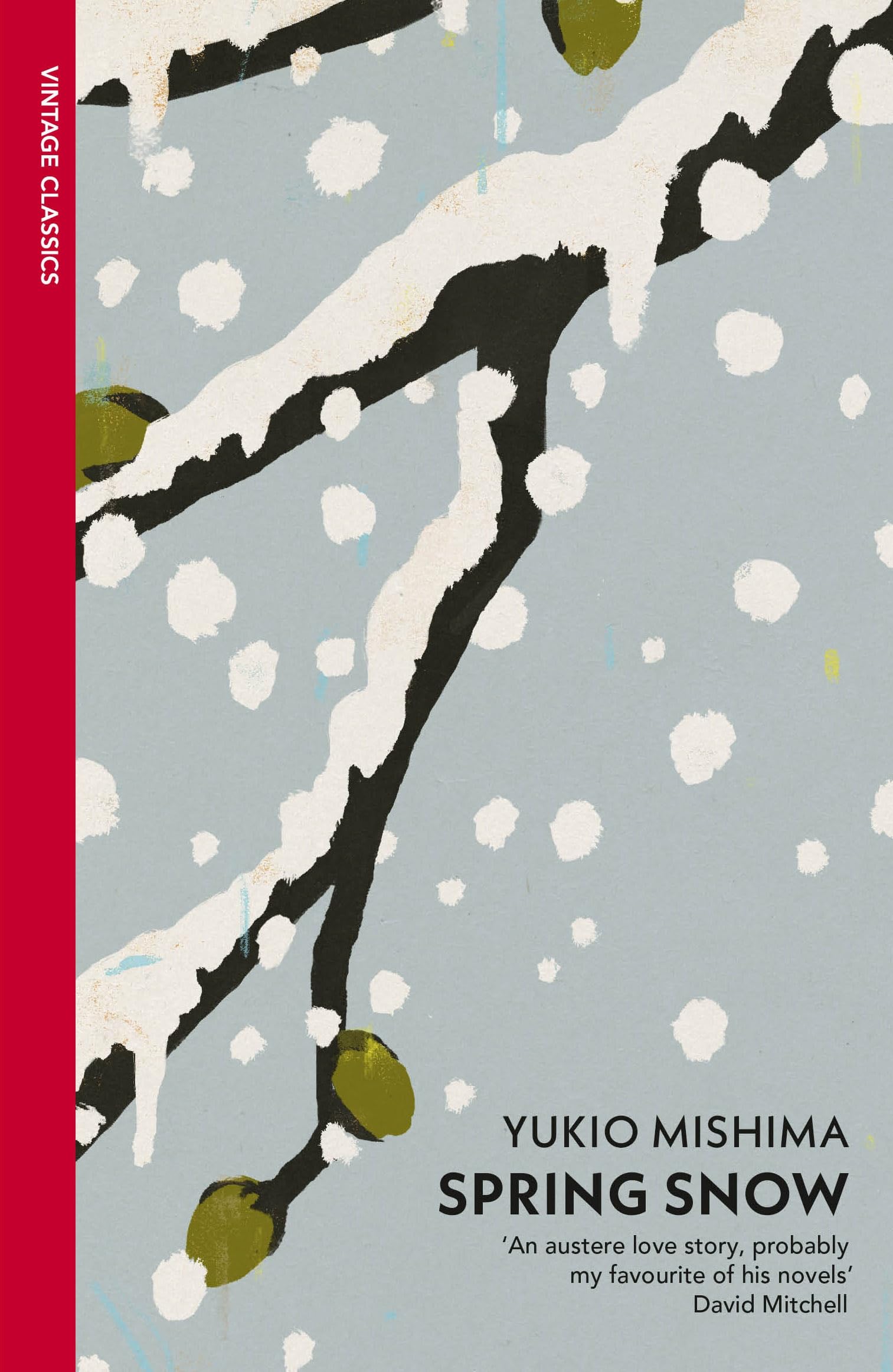
Michael Gallagher's path to translation began not in a classroom but in a basement archive, where he stumbled upon a 1960s literary journal featuring a Yukio Mishima short story in rough English. He was twenty-three, a graduate student in comparative literature, and struck by how much the clumsy translation had obliterated—not just words, but the precise architecture of Mishima's sentences, their almost architectural coldness. He taught himself Japanese partly out of frustration, partly out of what he later described as "spite toward that earlier translator." Within five years, his translation of Spring Snow appeared, the opening volume of Mishima's Sea of Fertility tetralogy, and it became immediately clear that Gallagher had brought something new to English-language Japanese literature: a willingness to honor syntactic strangeness rather than smooth it away.
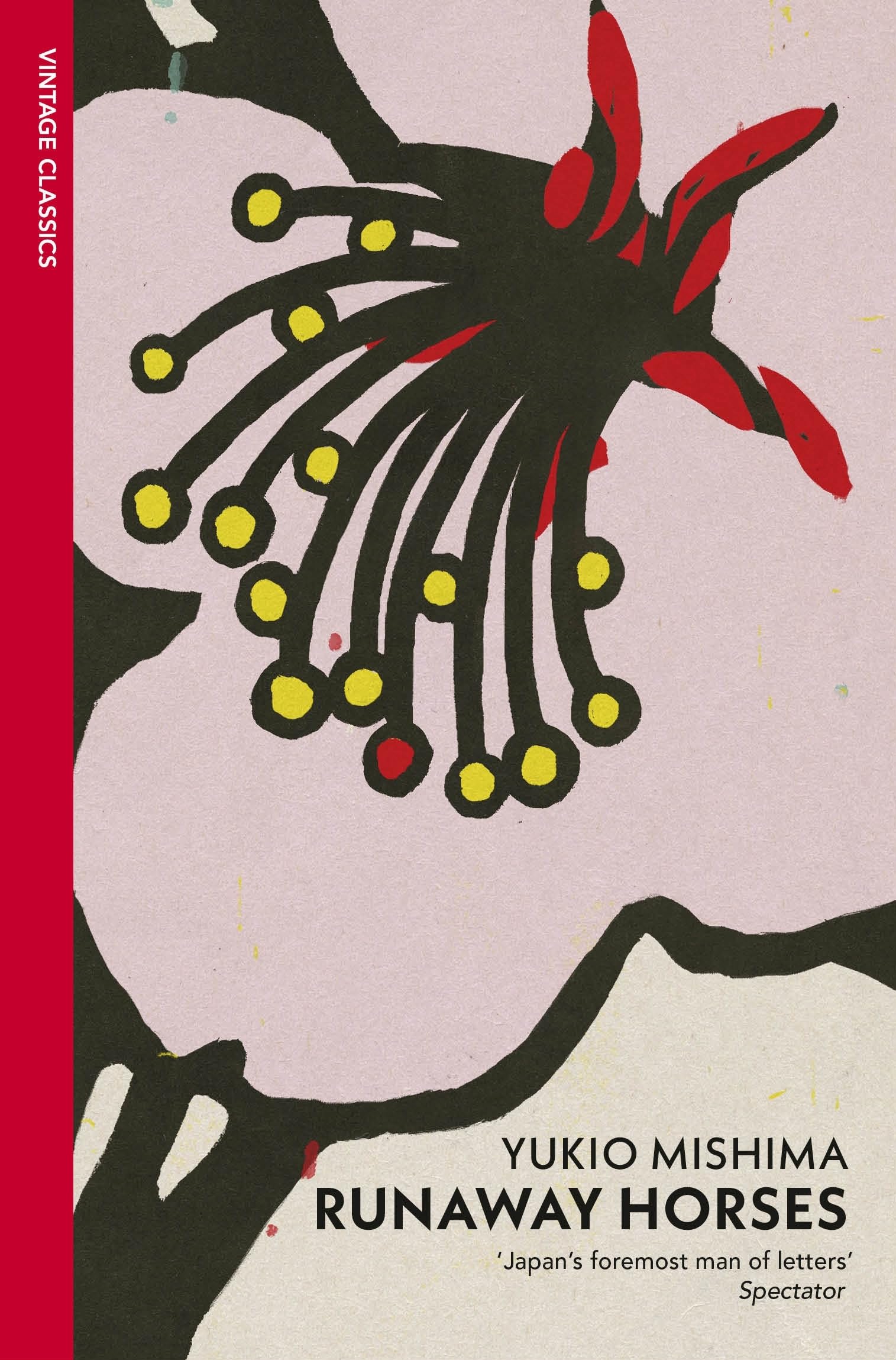
What distinguishes Gallagher's work is his refusal of the translator's usual bargain—clarity for fidelity, readability for accuracy. In Spring Snow, readers encounter sentences that mirror Mishima's own baroque inversions, his habit of nesting clauses within clauses until meaning arrives almost reluctantly. A lesser translator might have parceled these out into digestible chunks. Gallagher keeps them intact, trusting the reader's intelligence and patience. When he returned to Mishima a decade and a half later for Runaway Horses (1989), the second volume in the sequence, his style had only deepened—more assured, less explanatory. He had become, in effect, a Mishima specialist, the kind of translator who understands a writer's entire project and positions each book within it.
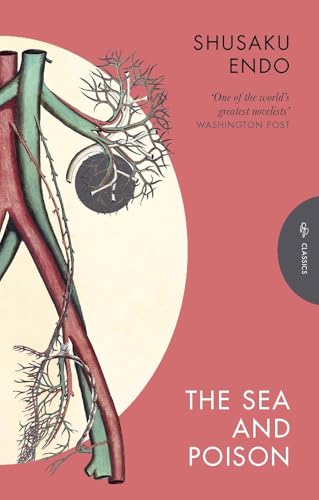
His most recent work, The Sea and Poison by Shusaku Endo (2025), marks a significant departure. Endo's prose operates on different principles than Mishima's—more compressed, more morally urgent, wrestling with questions of faith and complicity. Gallagher meets Endo's austerity with his own. The novel, set partly in a Japanese hospital during wartime, bristles with ethical tension, and Gallagher's translation doesn't look away from its brutal historical content. The result is a text that feels both unavoidably present and subtly dislocating—exactly what Endo's fiction demands.
Over five decades, Gallagher has remained largely outside the prizes and fanfare that often attend translation. Instead, he has built something quieter and more durable: a body of work that has fundamentally shaped how English readers understand twentieth-century Japanese literature. His current project, rumored to be another Mishima volume, suggests that even now, in his eighties, Gallagher hasn't finished his conversation with the writer who first drew him to translation.