Michael Hoffman
When Michael Hoffman first encountered Edogawa Rampo's work, the Japanese master of mystery and the macabre was virtually unknown to English readers—a gap that seemed almost impossible given Rampo's towering influence on Japanese literature and cinema. Rather than accept this absence, Hoffman made it his life's work to resurrect Rampo for the Anglophone world, beginning with The Boy Detectives Club in 1988 and returning, again and again, to translate previously inaccessible stories. This persistence has fundamentally changed what English-language readers understand about Japanese fiction's relationship with psychological suspense and the grotesque.
Hoffman's translations possess an unusual quality: they read as genuinely contemporary despite the period settings of their sources. When translating Moju: The Blind Beast, Hoffman captures Rampo's obsessive, almost hallucinatory prose without resorting to archaic English. The result is a text that feels urgent, even claustrophobic, pulling readers into the mind of a sculptor who becomes erotically entangled with a blind woman. Hoffman understands that fidelity to Rampo requires capturing the author's rhythms and the psychological intensity beneath each plot twist, not merely rendering words into English. His vocabulary choices—precise, sometimes unsettling—create an uncanny familiarity on the page.
The scope of Hoffman's contribution becomes apparent only when viewing his work as a unified effort. With Gold Mask (2024) and Beast in the Shadows (2023), he continues to excavate Rampo's archive, introducing stories that reveal the author's range and evolution. Hoffman has also ventured beyond Rampo to translate Suehiro Maruo's The Strange Tale of Panorama Island, demonstrating that his gifts extend to other Japanese writers working in the fantastic and perverse. His work has helped establish Rampo not as a historical curiosity but as a living influence on contemporary literary fiction.
What distinguishes Hoffman's project is its unsentimental dedication to difficulty. He has not tried to make Rampo palatable to mainstream audiences; instead, he has made Rampo's strangeness, his formal innovations, and his erotic preoccupations accessible. English readers now encounter Rampo's obsessions directly, without mediation. As Hoffman continues to translate previously unknown stories, he remains fixed on a singular goal: ensuring that no significant Rampo text disappears again into obscurity.
On InkEast (10)
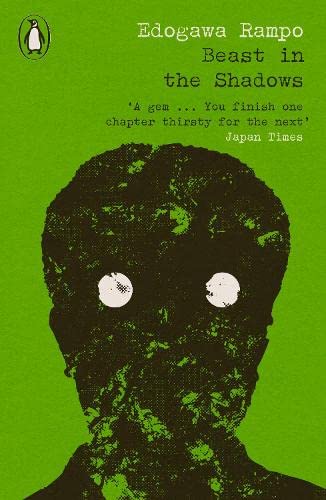
Beast in the Shadows
2023

Edogawa Rampo: The Early Cases of Akechi Kogoro
2014

Gold Mask
2024
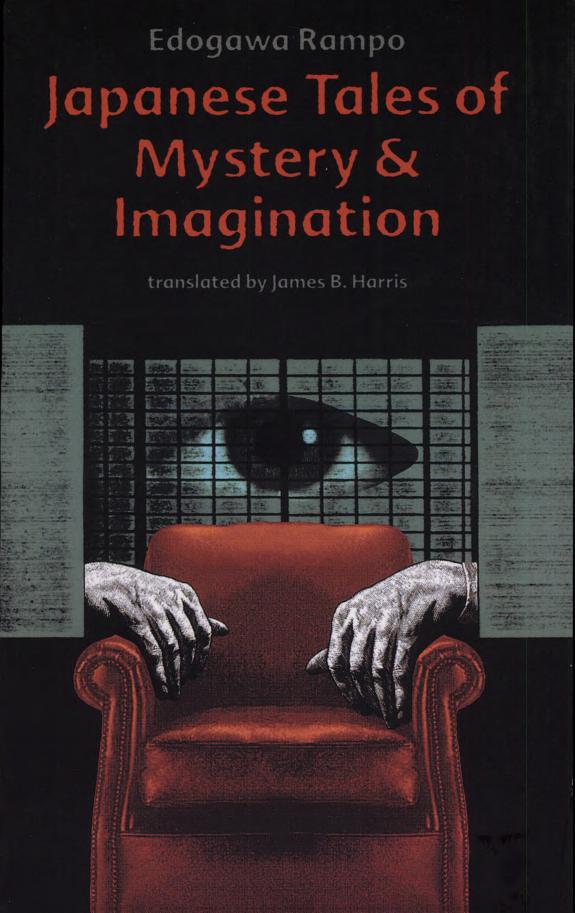
Japanese Tales of Mystery and Imagination
2011
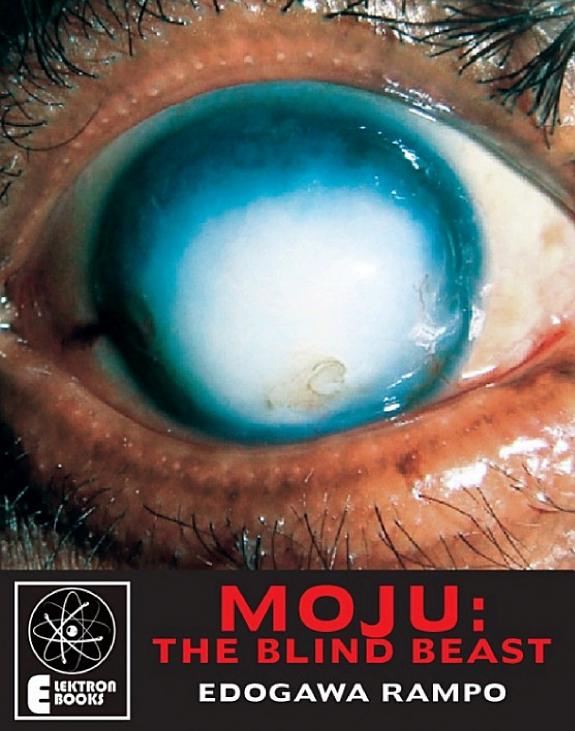
Moju: The Blind Beast
2013

The Black Lizard
2023

The Black Lizard: And, Beast in the Shadows
2006
The Boy Detectives Club
1988

The Fiend with Twenty Faces
2012

The Strange Tale of Panorama Island
2013