Van C. Gessel
When Van C. Gessel first encountered Shusaku Endo's work, he brought to it something most translators don't: a doctorate in religious studies and a conviction that literature's deepest questions are theological ones. This background proved essential. Endo wasn't writing adventure stories or domestic melodramas—he was writing about faith, doubt, and the particular anguish of being Christian in a country that had spent centuries trying to erase Christianity entirely. A translator approaching these novels merely as linguistic puzzles would miss their spiritual architecture entirely.
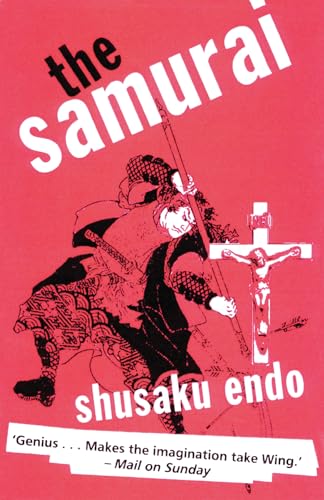
Gessel's translation of The Samurai (2010) established what would become his signature approach: a prose style that feels both accessible and grave, never collapsing into either flatness or ornament. The novel—Endo's meditation on a sixteenth-century Japanese samurai's journey to Rome and his tortured relationship with faith—required a translator who could honor the philosophical weight without letting it calcify into abstraction. Gessel's sentences breathe. When his samurai character wrestles with doubt, we feel the actual wrestling, the physical and spiritual strain, because the language itself enacts that struggle rather than merely describing it.
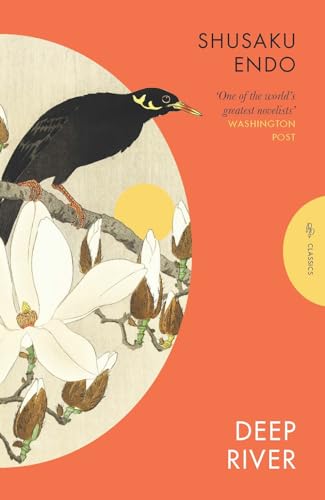
This careful attention to texture and theology reaches its apotheosis in Deep River (2024), Gessel's translation of Endo's final novel. Published posthumously, it follows four Japanese pilgrims on the banks of the Ganges, each carrying a different wound, each seeking something they cannot quite name. The novel is diffuse by design—it sprawls, digresses, circles back—and a lesser translator might have tidied it into conventional narrative shape. Instead, Gessel preserves Endo's meandering structure, trusting that readers will understand: spiritual searching doesn't move in straight lines. The translation received significant critical attention, introducing a new generation of readers to Endo's late work and cementing Gessel's reputation as perhaps the essential English-language conduit for this major modernist voice.
What distinguishes Gessel's work is not just technical mastery but a kind of intellectual humility. He seems to understand that translation of Endo is a form of theological reading, that fidelity to the text means wrestling with the same questions the author wrestled with. His readers don't experience Endo filtered through a translator's ego; they experience a mind genuinely trying to think alongside another mind across the distance of language and culture. In the years ahead, as more readers discover Endo in English, they'll be discovering him through Gessel's careful, contemplative prose.