Meredith McKinney
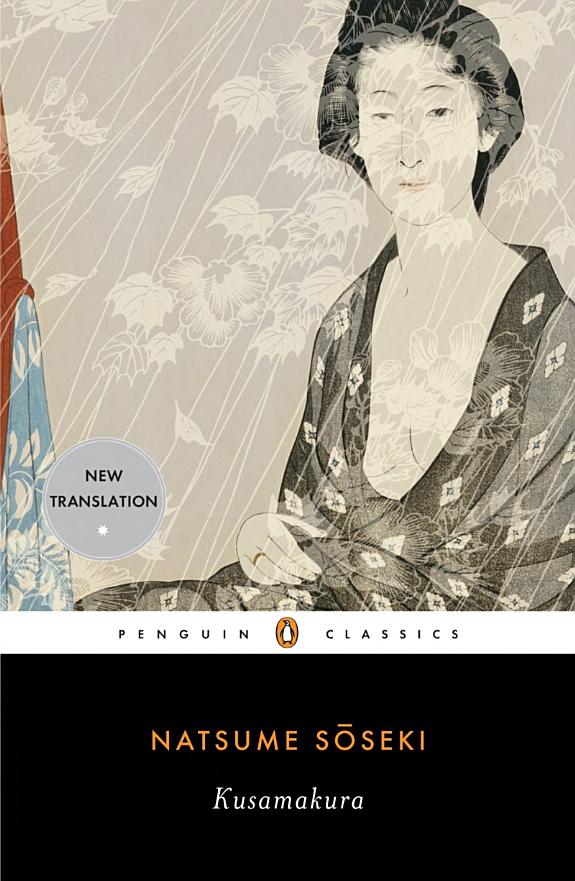
When Meredith McKinney first translated Natsume Soseki's Kusamakura in 2008, she made a choice that would ripple across decades: she treated the novel not as a period artifact but as a living, breathing work still capable of unsettling contemporary readers. That translation became the reference point for English-language encounters with Soseki's wandering, philosophical protagonist. But McKinney didn't simply shelve the book after publication. Instead, she returned to it—again and again—each time finding new angles of entry, new ways to make Soseki's digressions and meditations speak to readers across temporal and cultural distances.
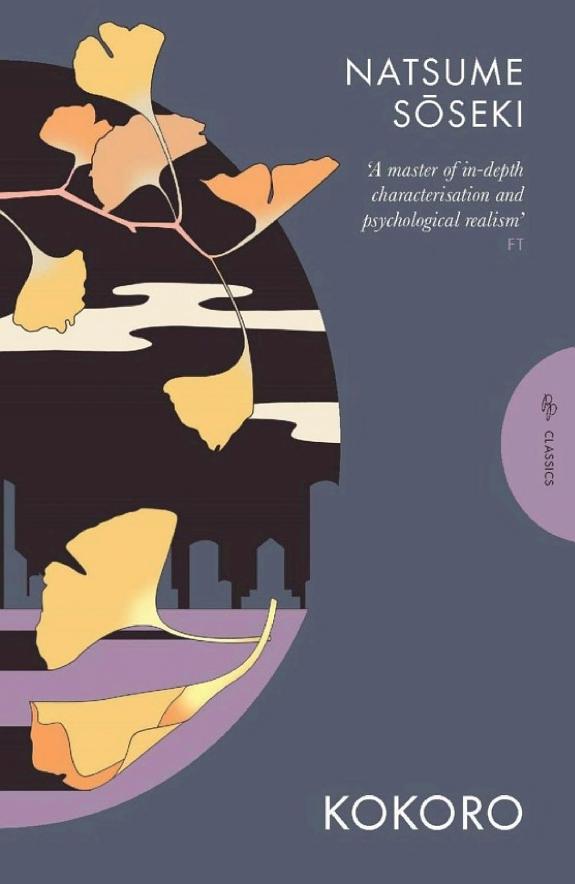
This iterative approach has become her signature. Rather than moving methodically through a canon, McKinney has deepened her engagement with Soseki's two masterworks. Her 2024 translation of Kokoro arrived as both a companion piece to Kusamakura and a fundamental reassessment. Where earlier English versions of Kokoro could feel stiff or sentimental, McKinney's rendering captures the novel's psychological precision—the way Soseki anatomizes shame, loyalty, and the corrosive weight of unspoken secrets. Her sentences breathe. Paragraphs carry weight without melodrama. She understands that the most devastating moments in Kokoro arrive not through eloquence but through restraint, through what the characters cannot say aloud.
What's remarkable is McKinney's willingness to meet Kokoro in multiple registers simultaneously. Within a single year, she produced not only the novel's straightforward literary translation but also Kokoro: The Manga Edition—a collaboration that required a wholly different technical vocabulary and pacing. Then came Unhuman Tour: Kusamakura (2024), signaling yet another recalibration. These aren't vanity projects or commercial exercises. They represent a translator genuinely curious about how form shapes meaning, about whether a novel's essence can migrate across genres without losing its unsettling power.
McKinney's repeated returns to Soseki suggest something older translators have long understood: that a great novel never yields all its secrets in a single encounter. Each new translation becomes a conversation with earlier versions—her own and others'—a way of saying that Kokoro and Kusamakura remain radically contemporary works, still capable of surprising those patient enough to sit with them. Her 2025 iteration of Kokoro promises yet another recalibration. One senses McKinney will keep circling back.