Meredith Weatherby
When Meredith Weatherby first encountered Yukio Mishima's work in postwar Japan, the literary world had barely begun to reckon with the country's modernist voices. Weatherby, stationed in Tokyo, found herself reading Confessions of a Mask in manuscript form—a transgressive, searching novel about desire and performance that Western publishers were hesitant to touch. She saw in it not a curiosity from a distant culture but a work that spoke to universal artistic obsession. In 1958, her translation appeared, and with it came something remarkable: Mishima's voice arrived in English not as an exotic artifact but as a living, breathing consciousness.
The achievement lay in her linguistic precision. Weatherby resisted the temptation to exoticize or soften Mishima's psychological intensity. Her prose moves with the same nervous energy as the original, catching the narrator's fractured self-awareness, the slippage between confession and performance. Readers encounter not a "translation" but an act of translation made invisible—the prose feels as though Mishima wrote directly in English, yet every nuance of his Japanese sensibility remains intact. This balance defined her approach: fidelity not to word-for-word correspondence but to the emotional and intellectual architecture of the original.
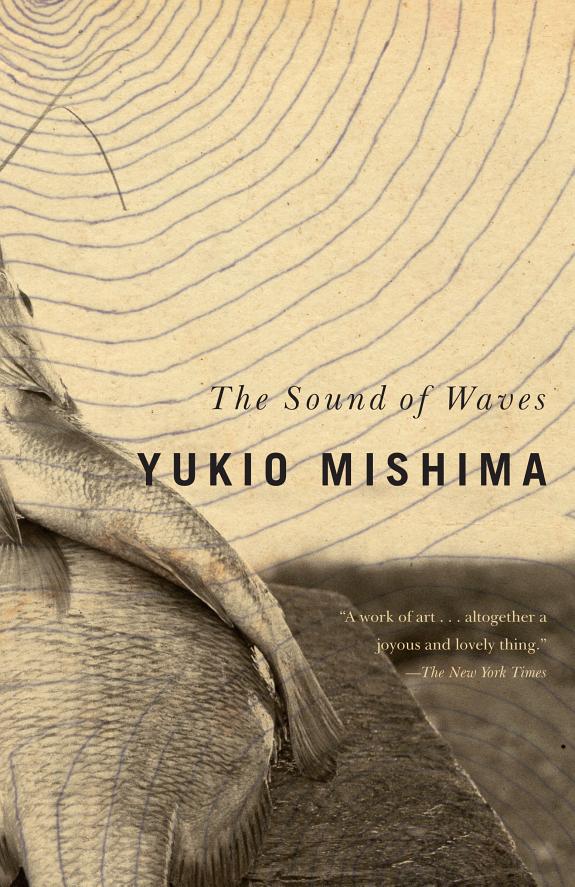
Though she would translate only one other Mishima work—The Sound of Waves, that deceptively simple love story with its undertow of classical tragedy—Weatherby's early intervention proved transformative for how English readers would engage with postwar Japanese fiction. She arrived at a moment when Western publishers saw Japan primarily through the lens of exoticism or Zen mysticism. By translating Mishima with such unflinching directness, she insisted that Japanese modernism was not a category unto itself but part of a larger conversation about consciousness, desire, and artistic authenticity.
Now, decades later, as her translations remain in print and new generations discover Mishima through her words, Weatherby's legacy extends beyond the two books she completed. She established a template for literary translation that prioritized psychological truth over cultural mediation—an approach that would influence how subsequent translators approached Japanese fiction. Her restraint, her refusal to annotate or explain, her trust in the reader's intelligence: these became hallmarks of serious translation practice.