Bryan Karetnyk
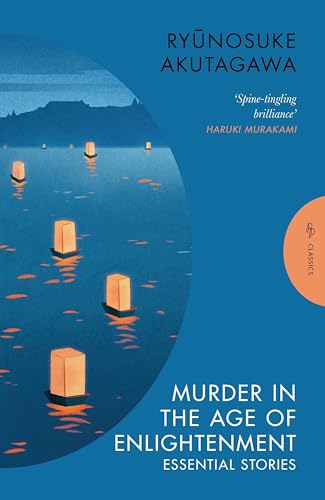
Bryan Karetnyk came to Japanese literature not through academic channels but through a single obsessive rereading. As a graduate student in comparative literature, he found himself returning to Ryūnosuke Akutagawa's In a Grove — that vertiginous masterpiece of conflicting testimonies — so many times that he began noticing what felt like mistranslations in the standard English versions. The inconsistencies gnawed at him. Rather than accept the existing interpretations, he taught himself Japanese over two intense years, driven by the conviction that a story so preoccupied with the unreliability of perspective demanded a translator attentive to Akutagawa's deliberate ambiguities, his refusal to anchor meaning. By the time he published Murder in the Age of Enlightenment in 2023, a collection bringing together Akutagawa's detective and crime stories, Karetnyk had already developed what would become his signature approach: translation as an act of forensic listening.
What distinguishes Karetnyk's work is an almost archaeological precision with language. In Murder in the Age of Enlightenment, readers encounter a translator who treats each sentence as a puzzle box, resistant to the smooth fluency that makes reading easy. This is intentional. Akutagawa wrote during Japan's modernization, when Western ideas collided violently with classical forms, and Karetnyk preserves that collision on the page rather than smoothing it into contemporary English idiom. The result feels slightly estranging — which is exactly right. A detective's monologue carries the stiffness of someone thinking in borrowed frameworks; dialogue fractures across cultural assumption and misunderstanding.
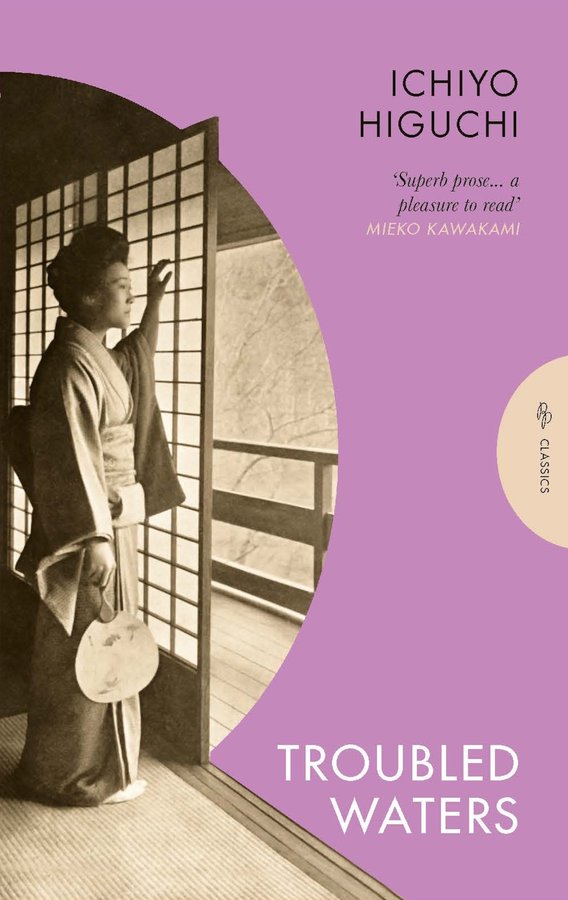
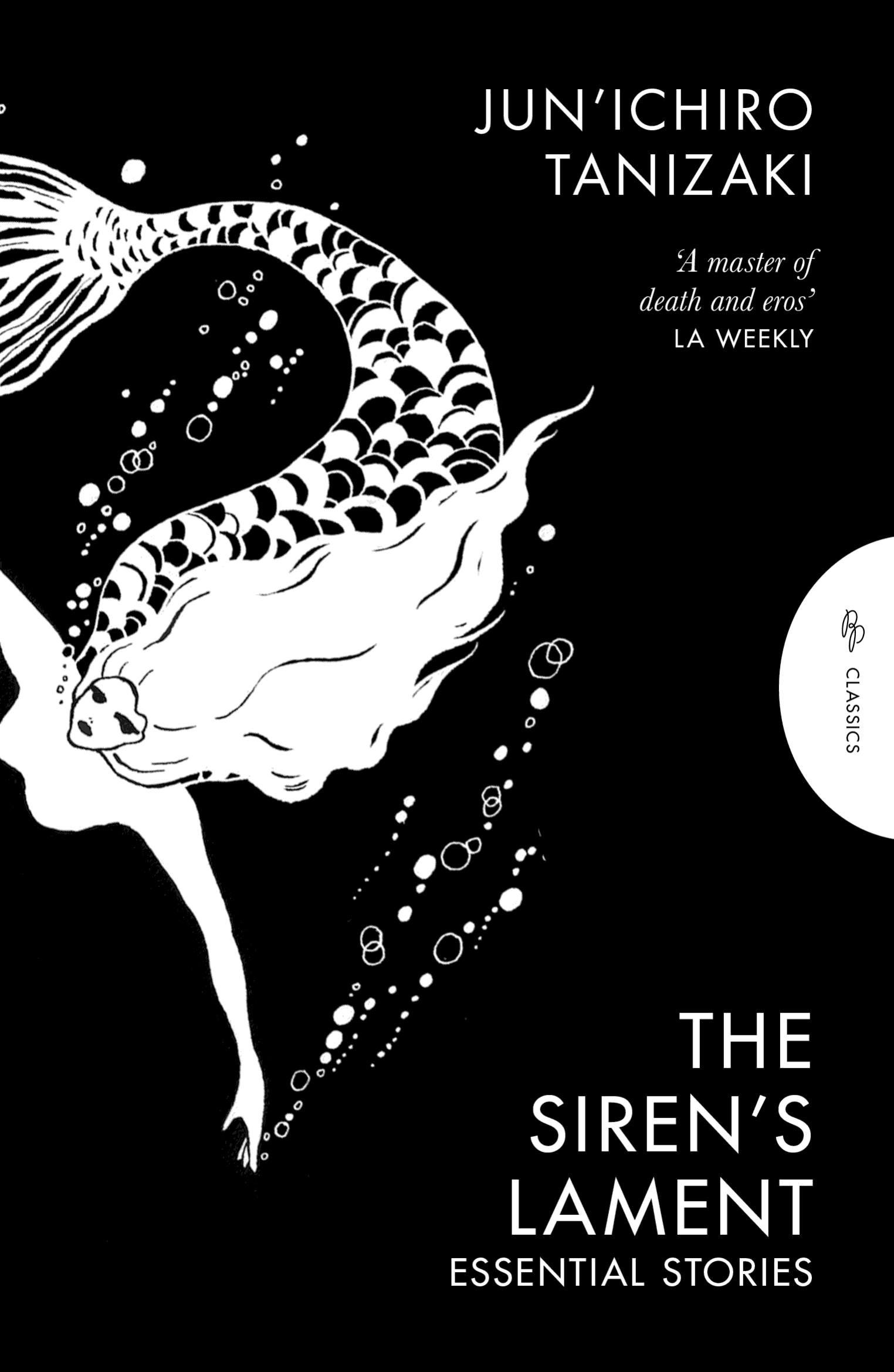
This same scrupulousness shapes his work on the Meiji masters. Troubled Waters, his translation of Ichiyo Higuchi's final novel, captures the author's elliptical precision, her way of letting social constraint speak through gesture and silence rather than exposition. Similarly, The Siren's Lament, a collection of Tanizaki's essential stories, resists the lush aestheticism sometimes imposed on the author in English, instead revealing Tanizaki as a writer of psychological acuity and dark humor.
Karetnyk's emergence matters precisely because he treats translation as an intellectual act equal to creation. He doesn't smooth Japanese literature into readability; he makes English supple enough to hold its foreignness. His three books, appearing within three years, suggest a translator working at full velocity — one who understands that fidelity to a text sometimes means making the reader work, lean forward, resist comfortable understanding.