Will Vos
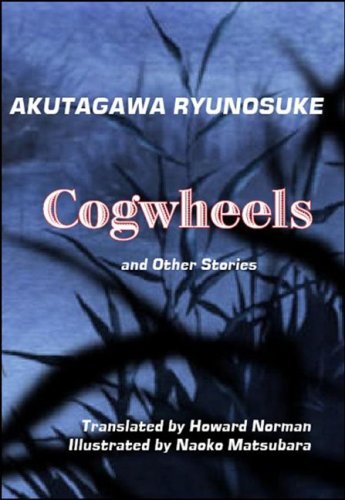
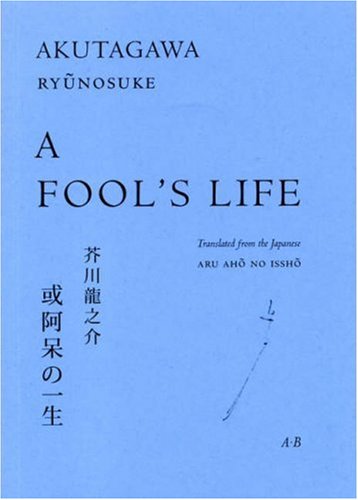
Will Vos discovered Akutagawa not through the canonical gateway of Rashomon, but through a tattered used copy of Cogwheels and Other Stories that arrived at his apartment in Tokyo in the early 2000s. He was teaching English conversation classes then, living the kind of life that leaves little room for systematic study, yet something in those pages—the vertiginous spiraling of the narrator's paranoia, the way Akutagawa fractured psychological realism into impossible geometries—demanded his attention. When he later encountered The Life of a Stupid Man, Akutagawa's final work before his suicide, Vos felt the strange recognition of meeting a writer twice. This accident of reading shaped everything that followed.
What distinguishes Vos's approach is his refusal to smooth Akutagawa's jagged surfaces. Where other translators have domesticated the prose, making it accessible, Vos lets the fragmentary quality persist. His Cogwheels and Other Stories (2007) preserves the dislocating effect of Akutagawa's shorter pieces—stories that feel less like narratives than fever dreams interrupted by moments of devastating clarity. The opening of "Cogwheels" itself, with its obsessive cataloging of invisible gears grinding beneath everyday life, arrives in English with the same vertigo it creates in Japanese. Vos doesn't explain or ease; he trusts the reader's capacity for discomfort.
This fidelity deepens in The Life of a Stupid Man (2015), where Akutagawa's fragmentary final novel becomes even more crucial as a text. The work had circulated in various English versions, some of which tried to impose narrative coherence on what is fundamentally a collapse of narrative. Vos's translation instead honors the work's skeletal nature—those brief, sometimes single-sentence sections that read like thoughts cut off mid-formation. The result feels less like a novel than an autopsy of the novelistic impulse itself.
Eight years separate these two publications, a long interval for a two-book bibliography. Yet there's something fitting about that sparse publication record. Vos works slowly, teaching and translating on the margins, which may explain why his work carries none of the gloss of the professional translation industry. His Akutagawa reads like it was translated by someone still wrestling with the questions these texts pose—about madness, about the failure of language, about what happens when a writer turns his tools of representation inward. Readers approaching Akutagawa through Vos will find themselves genuinely unsettled, which is precisely where Akutagawa wanted them.