Ralph McCarthy
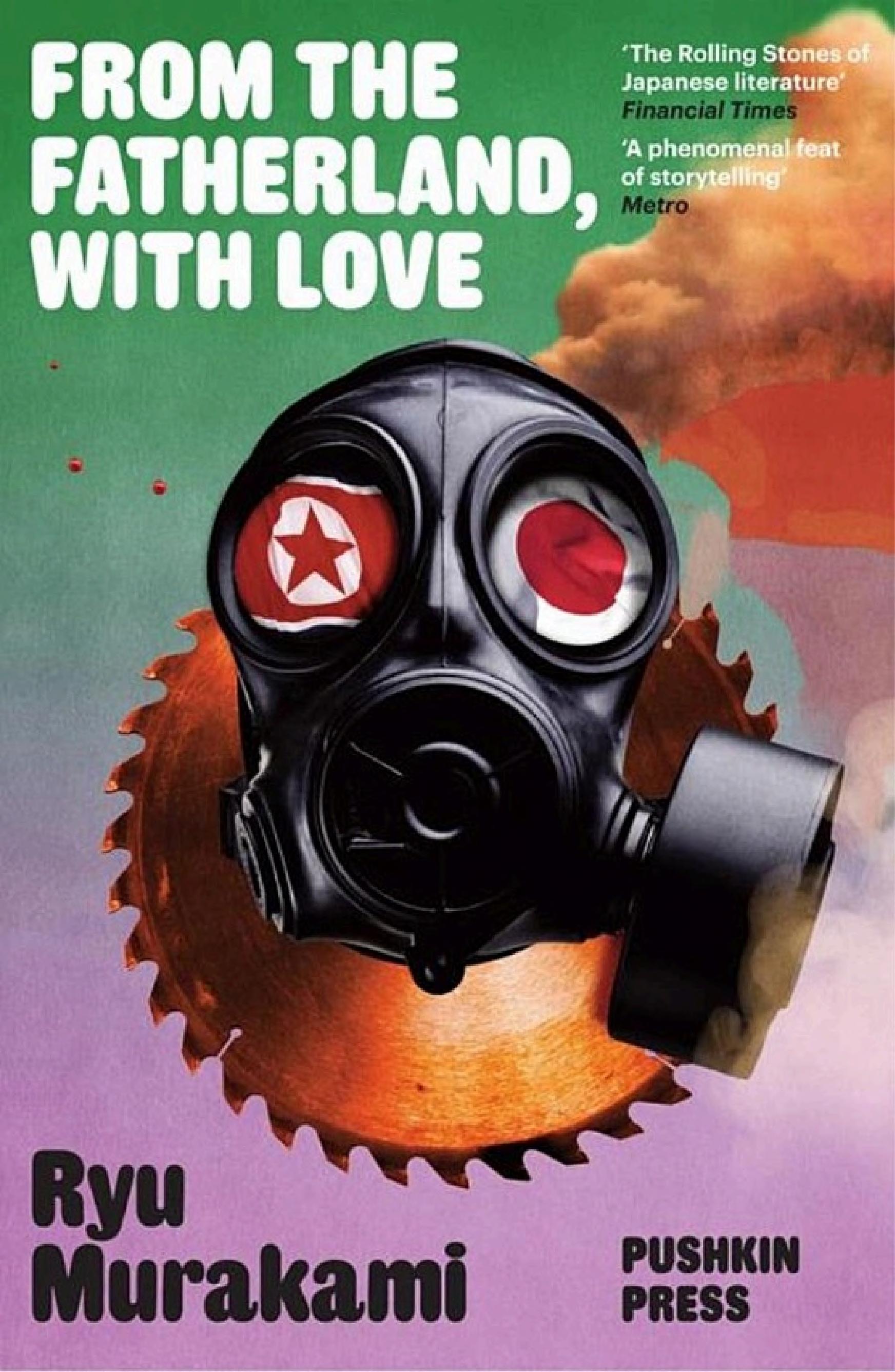
Ralph McCarthy's path to translation reads less like a calling and more like an accident that became a life. A native English speaker who moved to Japan in the 1980s, McCarthy initially had no intention of becoming a translator at all. He was there to teach, to live, to inhabit a language that would not quite become native to him but would become necessary to him in ways he didn't anticipate. Then came 69, Ryu Murakami's debut novel—a fever dream of adolescent mayhem set during the 1969 student uprisings—and McCarthy found himself the only translator willing to wrestle with its syntax, its obscenities, its refusal to cohere into something palatable for Western readers.
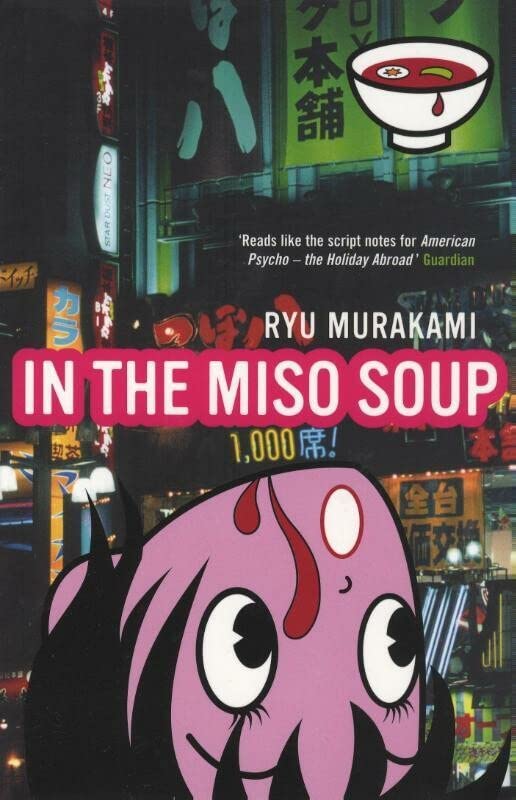
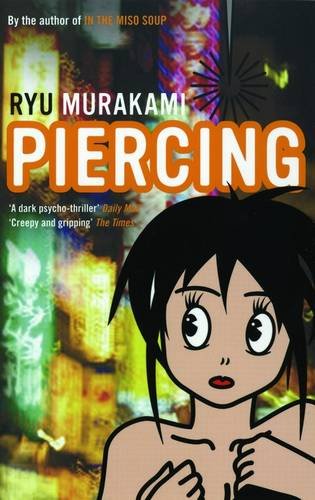
That willingness to stay with difficulty, to preserve rather than tame, has defined McCarthy's entire body of work. His translations of Murakami rarely smooth over the jagged edges of the prose; instead, they let the original's strangeness persist on the English page. In the Miso Soup reads like a descent into a particular kind of Japanese urban fever, all neon and dread and the loneliness of being foreign in a crowd. Audition, perhaps his most harrowing work, maintains the novel's queasy intimacy—you are trapped inside a man's pathology, without exit or moral guidance. McCarthy doesn't position the reader as observer; he implicates them as accomplice.
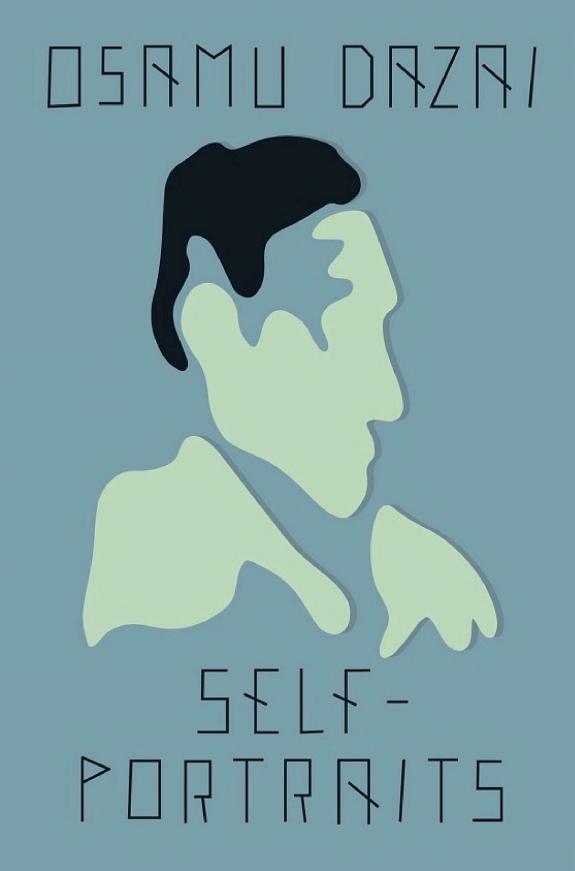
What distinguishes McCarthy's work, beyond technical precision, is a kind of refusal to make Japanese literature "safe" for English-speaking audiences. He has never been interested in the mystical or meditative Japan of Western fantasy. His Murakami is violent, obscene, deeply contemporary, and sometimes unbearable—which is exactly what Murakami wrote. Even in his recent translation of Osamu Dazai's Self-Portraits, McCarthy finds in the modernist master a writer far more caustic and self-aware than the melancholic genius of legend.
After nearly three decades of translating primarily one author, McCarthy's late-career pivot to Dazai suggests a translator still searching, still willing to start over. There's something almost stubborn about it—the refusal to become a brand, the insistence that translation remains an act of discovery rather than mastery. For readers, this means a translator who will never give them the Japan they expected, only the one the text actually contains.