Kazuo Ishiguro
Kazuo Ishiguro was born in Nagasaki in 1954 and moved to England at the age of five — a biographical fact that has given him a relationship to both cultures characterised by distance, by the looking-back of the emigrant, and by a profound understanding of how memory shapes and distorts what we think we know. He was awarded the Nobel Prize in Literature in 2017 for what the Swedish Academy described as novels that "uncov[er] the abyss beneath our illusory sense of connection with the world."
His first two novels, A Pale View of Hills and An Artist of the Floating World, established themes of memory, regret, and self-deception that would recur across his career. The Remains of the Day (1989), which won the Booker Prize, is his most celebrated work — narrated by an English butler of impeccable professional dignity who is slowly, devastatingly forced to reckon with what he sacrificed for duty. Never Let Me Go (2005) and The Buried Giant (2015) have extended his range into speculative territory without sacrificing his essential concerns. He is among the most accomplished novelists alive.
Bibliography (10)
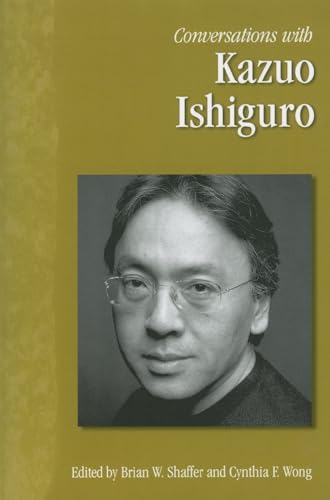
Conversations with Kazuo Ishiguro
2008

Never Let Me Go: 20th anniversary edition
2009
An Artist of the Floating World
2012
A Pale View of Hills
2012
The Unconsoled
2012
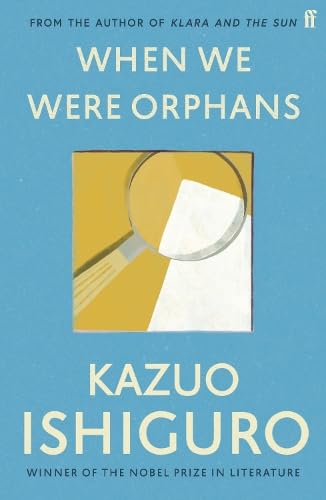
When We Were Orphans
2009

The Remains of the Day
2009

The Buried Giant
2015

Klara and the Sun: A GMA Book Club Pick: A novel
2021
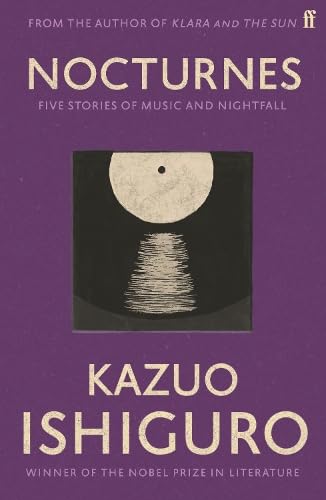
Nocturnes: Five Stories of Music and Nightfall
2009